
What is Oxidative Stress? Causes, Signs and Why It Matters
Keyora Research Q&A Library
This is part of the Keyora Research Q&A Series, derived from Keyora Astaxanthin Research Journal Series.
Within the Keyora Astaxanthin Researcn framework, this Q&A translates complex astaxanthin biology into reader-friendly, evidence-bound answers, focusing on natural astaxanthin identity, molecular structure, antioxidant and redox mechanisms, membrane lipid interaction, mitochondrial resilience, inflammatory signaling pathways, human evidence interpretation, and the scientific principles behind responsible supplementation.
First published by Keyora Research Journal: www.keyorahealth.com
Short Answer
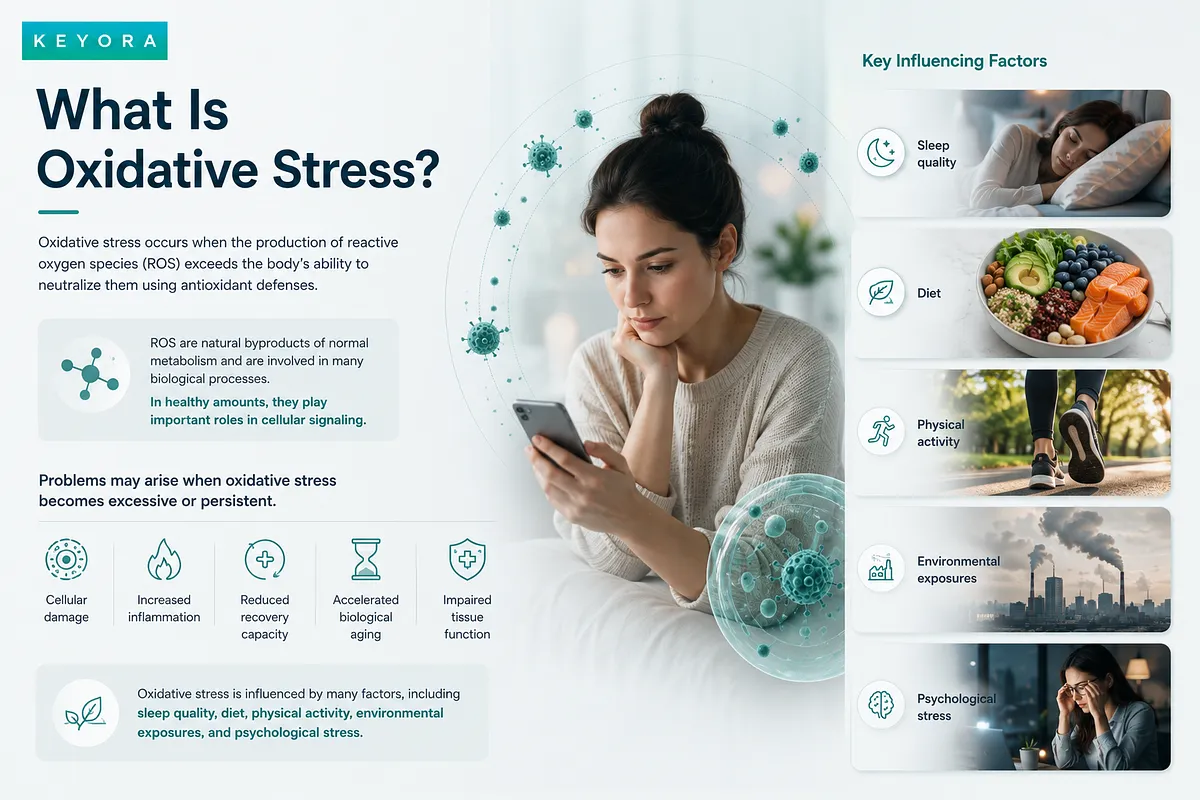
Oxidative stress occurs when the production of reactive oxygen species (ROS) exceeds the body’s ability to neutralize them through its antioxidant defense systems.
A certain amount of oxidative stress is a normal part of life. In fact, reactive oxygen species play important roles in cellular communication, immune function, and metabolism.
Problems may arise when oxidative stress becomes excessive or chronic. Over time, elevated oxidative stress has been associated with aging, inflammation, reduced recovery capacity, and various aspects of long-term health.
What Is Oxidative Stress?
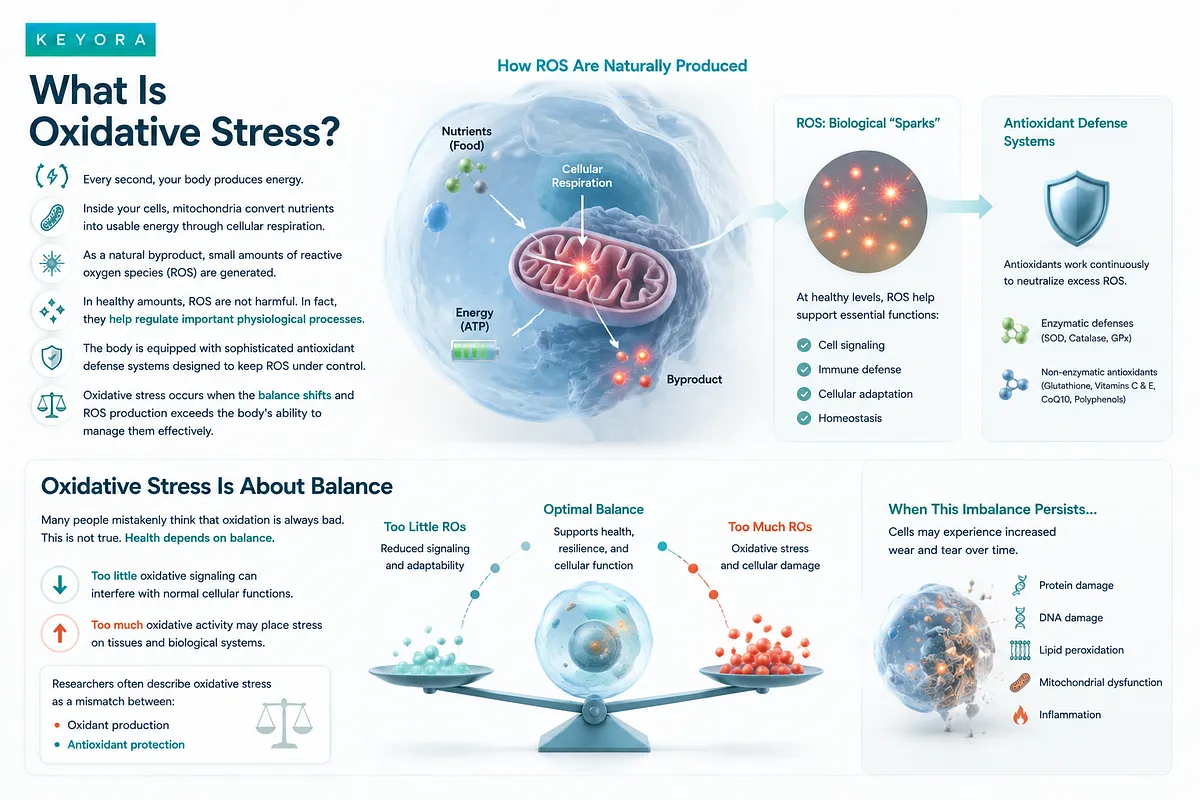
Every second, your body produces energy.
Inside your cells, structures called mitochondria convert nutrients into usable energy through a process known as cellular respiration.
As a natural byproduct of this process, small amounts of reactive oxygen species (ROS) are generated.
Think of ROS as biological “sparks.”
In healthy amounts, these molecules are not harmful. In fact, they help regulate important physiological processes.
The body is equipped with sophisticated antioxidant defense systems designed to keep ROS under control.
Oxidative stress occurs when the balance shifts and ROS production exceeds the body’s ability to manage them effectively.
Oxidative Stress Is About Balance
Many people mistakenly think that oxidation is always bad.
This is not true.
Health depends on balance.
Too little oxidative signaling can interfere with normal cellular functions.
Too much oxidative activity may place stress on tissues and biological systems.
Researchers often describe oxidative stress as a mismatch between:
- Oxidant production
- Antioxidant protection
When this imbalance persists over time, cells may experience increased wear and tear.
What Causes Oxidative Stress?
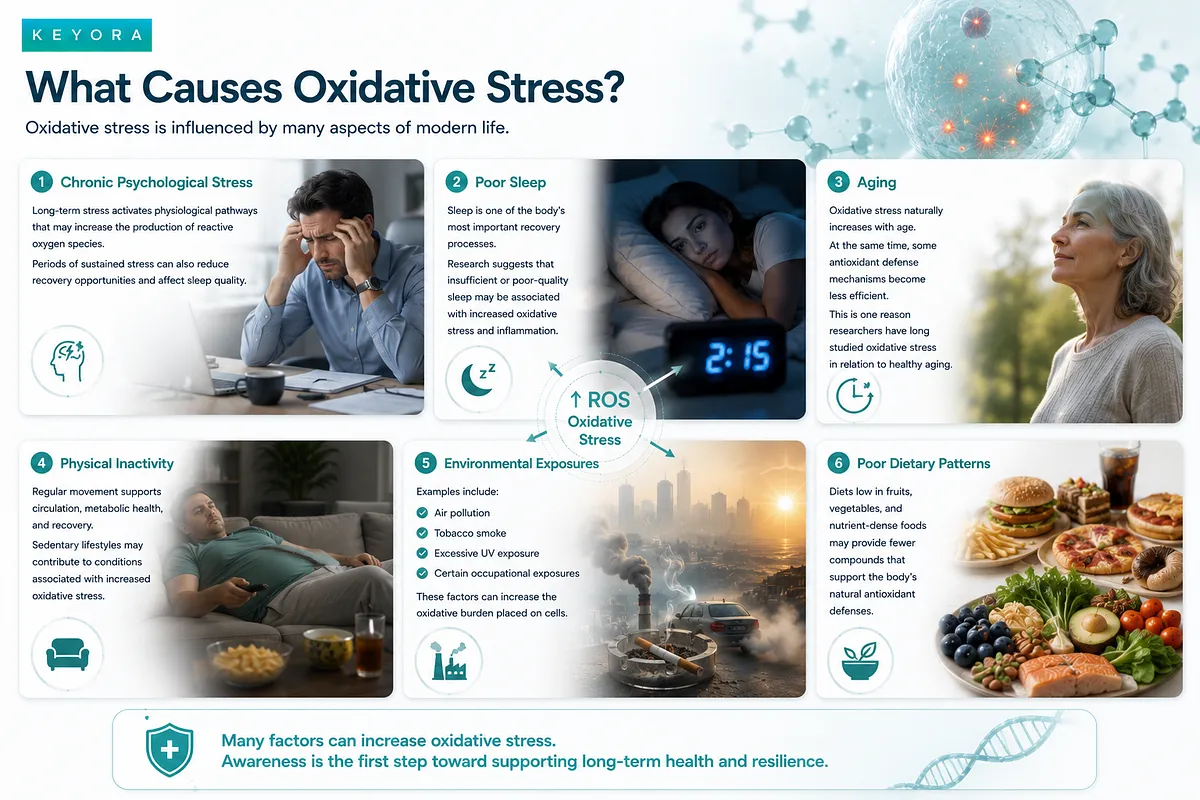
Oxidative stress is influenced by many aspects of modern life.
1. Chronic Psychological Stress
Long-term stress activates physiological pathways that may increase the production of reactive oxygen species.
Periods of sustained stress can also reduce recovery opportunities and affect sleep quality.
2. Poor Sleep
Sleep is one of the body’s most important recovery processes.
Research suggests that insufficient or poor-quality sleep may be associated with increased oxidative stress and inflammation.
3. Aging
Oxidative stress naturally increases with age.
At the same time, some antioxidant defense mechanisms become less efficient.
This is one reason researchers have long studied oxidative stress in relation to healthy aging.
4. Physical Inactivity
Regular movement supports circulation, metabolic health, and recovery.
Sedentary lifestyles may contribute to conditions associated with increased oxidative stress.
5. Environmental Exposures
Examples include:
- Air pollution
- Tobacco smoke
- Excessive UV exposure
- Certain occupational exposures
These factors can increase the oxidative burden placed on cells.
6. Poor Dietary Patterns
Diets low in fruits, vegetables, and nutrient-dense foods may provide fewer compounds that support the body’s natural antioxidant defenses.
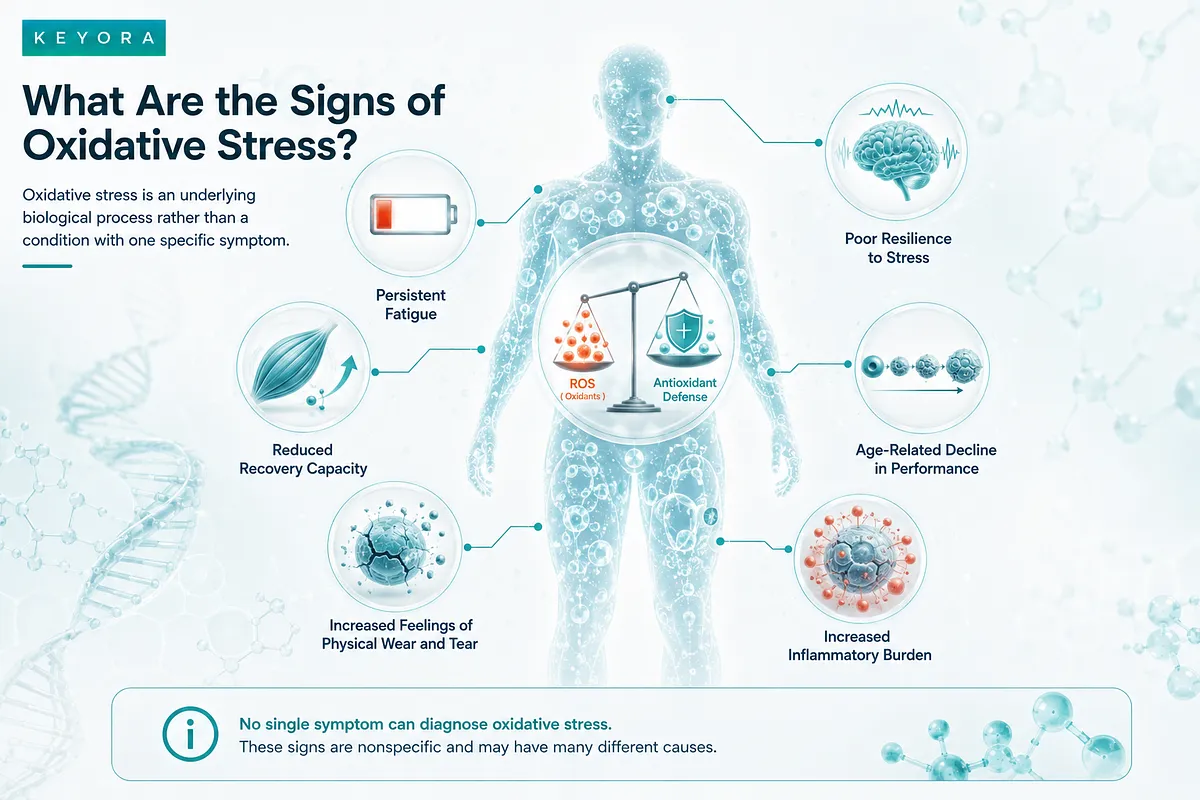
What Are the Signs of Oxidative Stress?
There is currently no single symptom that definitively indicates oxidative stress.
Instead, oxidative stress is often discussed as an underlying biological process.
However, factors commonly associated with elevated oxidative stress may include:
- Persistent fatigue
- Reduced recovery capacity
- Increased feelings of physical wear and tear
- Poor resilience to stress
- Age-related decline in performance
- Increased inflammatory burden
It is important to note that these experiences can have many possible causes and should not be used to self-diagnose oxidative stress.
Oxidative Stress and Recovery
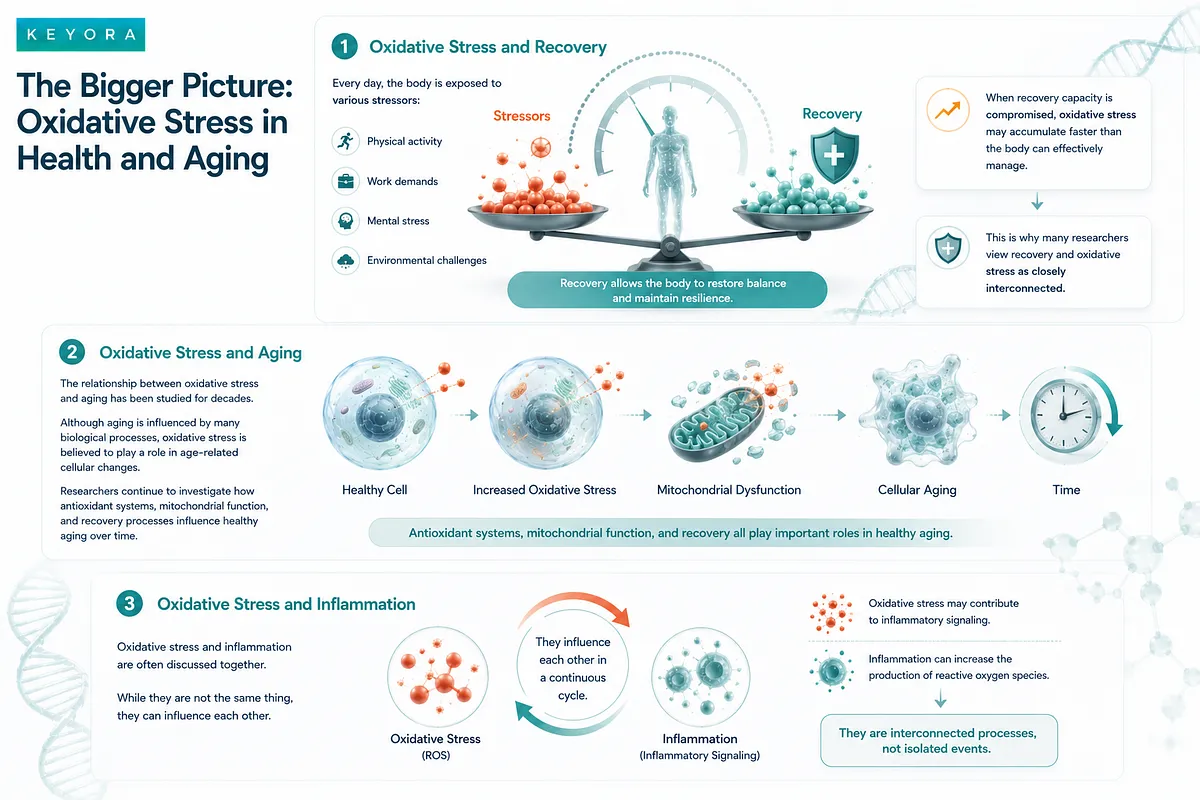
One of the most useful ways to think about oxidative stress is through the lens of recovery.
Every day, the body is exposed to various stressors:
- Physical activity
- Work demands
- Mental stress
- Environmental challenges
Recovery allows the body to restore balance and maintain resilience.
When recovery capacity is compromised, oxidative stress may accumulate faster than the body can effectively manage.
This is why many researchers view recovery and oxidative stress as closely interconnected.
Oxidative Stress and Aging
The relationship between oxidative stress and aging has been studied for decades.
Although aging is influenced by many biological processes, oxidative stress is believed to play a role in age-related cellular changes.
Researchers continue to investigate how antioxidant systems, mitochondrial function, and recovery processes influence healthy aging over time.
Oxidative Stress and Inflammation
Oxidative stress and inflammation are often discussed together.
While they are not the same thing, they can influence each other.
Oxidative stress may contribute to inflammatory signaling, while inflammation can increase the production of reactive oxygen species.
For this reason, many health experts view them as interconnected processes rather than isolated events.
How Can You Support Healthy Antioxidant Defenses?
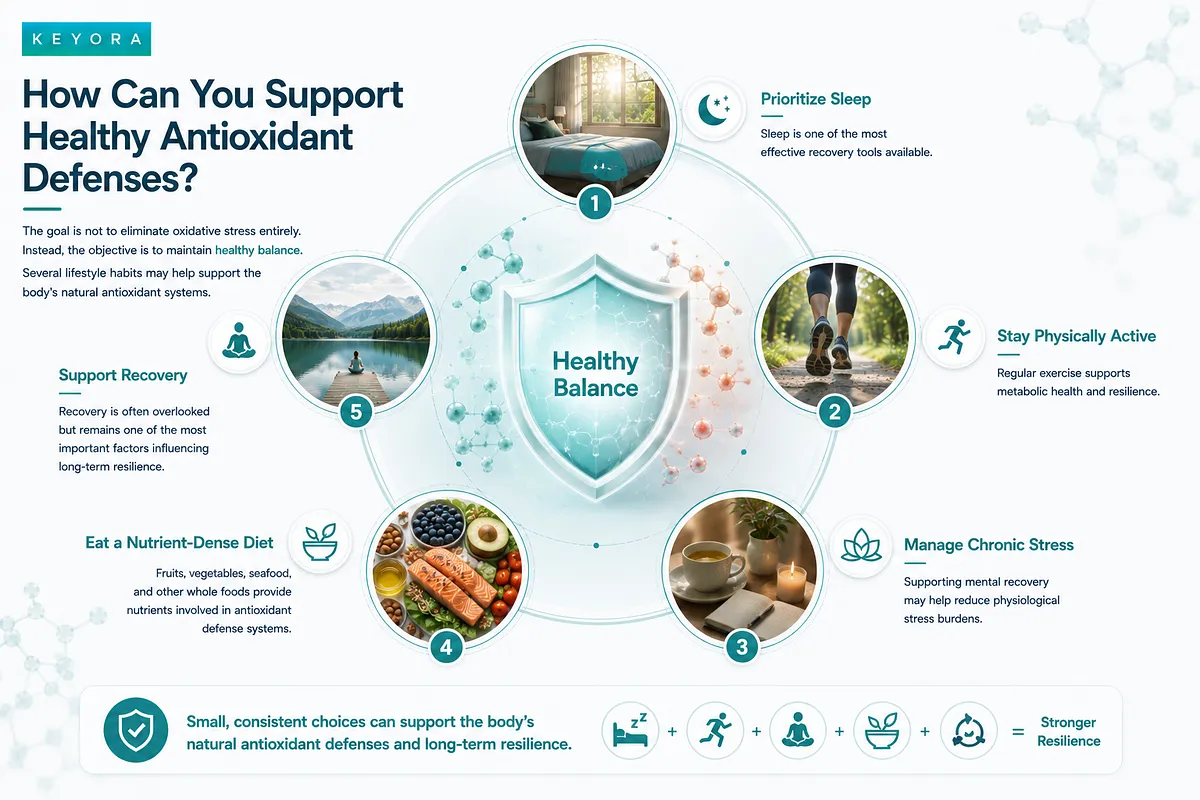
The goal is not to eliminate oxidative stress entirely.
Instead, the objective is to maintain healthy balance.
Several lifestyle habits may help support the body’s natural antioxidant systems.
Prioritize Sleep
Sleep is one of the most effective recovery tools available.
Stay Physically Active
Regular exercise supports metabolic health and resilience.
Manage Chronic Stress
Supporting mental recovery may help reduce physiological stress burdens.
Eat a Nutrient-Dense Diet
Fruits, vegetables, seafood, and other whole foods provide nutrients involved in antioxidant defense systems.
Support Recovery
Recovery is often overlooked but remains one of the most important factors influencing long-term resilience.
Key Takeaways
- Oxidative stress occurs when reactive oxygen species exceed the body’s ability to manage them effectively.
- A certain amount of oxidative activity is normal and necessary for health.
- Factors such as aging, poor sleep, chronic stress, physical inactivity, and environmental exposures may contribute to increased oxidative stress.
- Oxidative stress is closely linked to recovery, resilience, and healthy aging.
- The goal is not to eliminate oxidative stress, but to maintain a healthy balance between oxidative challenges and antioxidant defenses.
Evidence Snapshot
Topic
Oxidative Stress
What Current Research Suggests
Oxidative stress is a well-established biological concept supported by decades of research.
Scientists generally agree that oxidative stress plays a role in aging, recovery, inflammation, and cellular function. However, oxidative stress is only one component of a much larger network of biological processes that influence health.
References
1. Sies H. Oxidative Stress: A Concept in Redox Biology and Medicine. Redox Biology.
2. Finkel T, Holbrook NJ. Oxidants, Oxidative Stress and the Biology of Ageing. Nature.
3. Jones DP. Radical-Free Biology of Oxidative Stress. American Journal of Physiology.
4. Liguori I, Russo G, Curcio F, et al. Oxidative Stress, Aging and Diseases. Clinical Interventions in Aging.
5. Betteridge DJ. What Is Oxidative Stress? Metabolism.
6. Halliwell B, Gutteridge JMC. Free Radicals in Biology and Medicine.