
What Is Astaxanthin and What Does It Do in the Body?
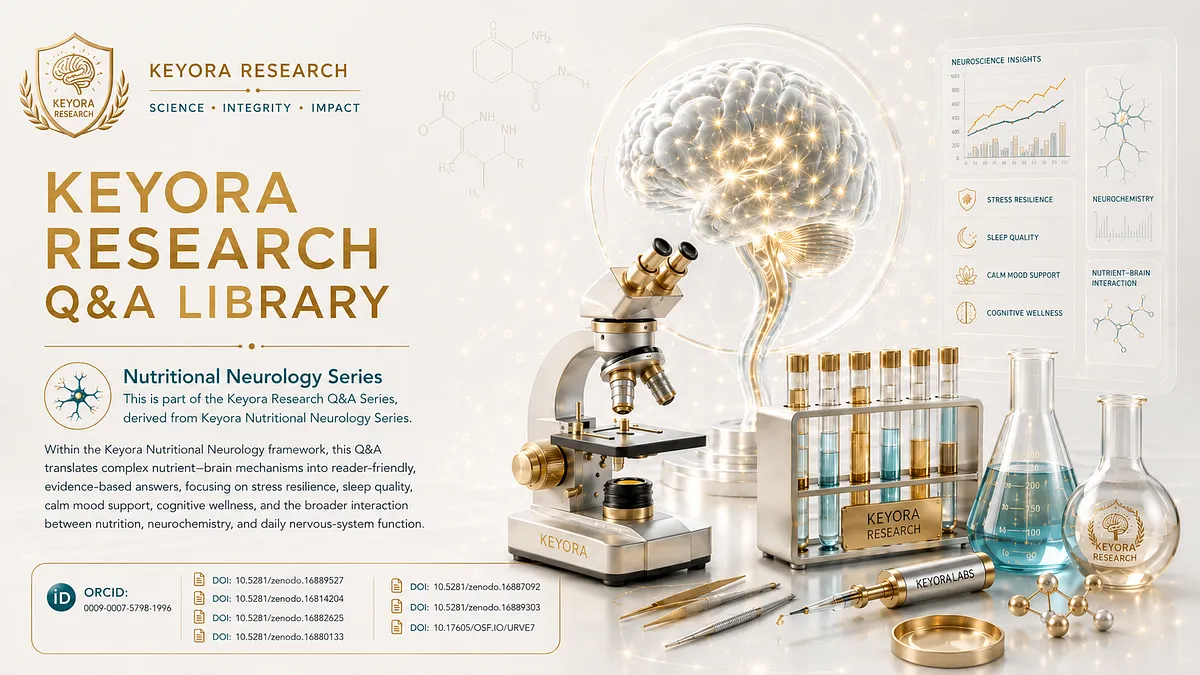
Keyora Research Q&A Library
This is part of the Keyora Research Q&A Series, derived from Keyora Nutritional Neurology Series.
Within the Keyora Nutritional Neurology framework, this Q&A translates complex nutrient–brain mechanisms into reader-friendly, evidence-bound answers, focusing on stress resilience, sleep quality, calm mood support, cognitive wellness, and the broader interaction between nutrition, neurochemistry, and daily nervous-system function.
First published by Keyora Research Journal: www.keyorahealth.com
Direct Answer
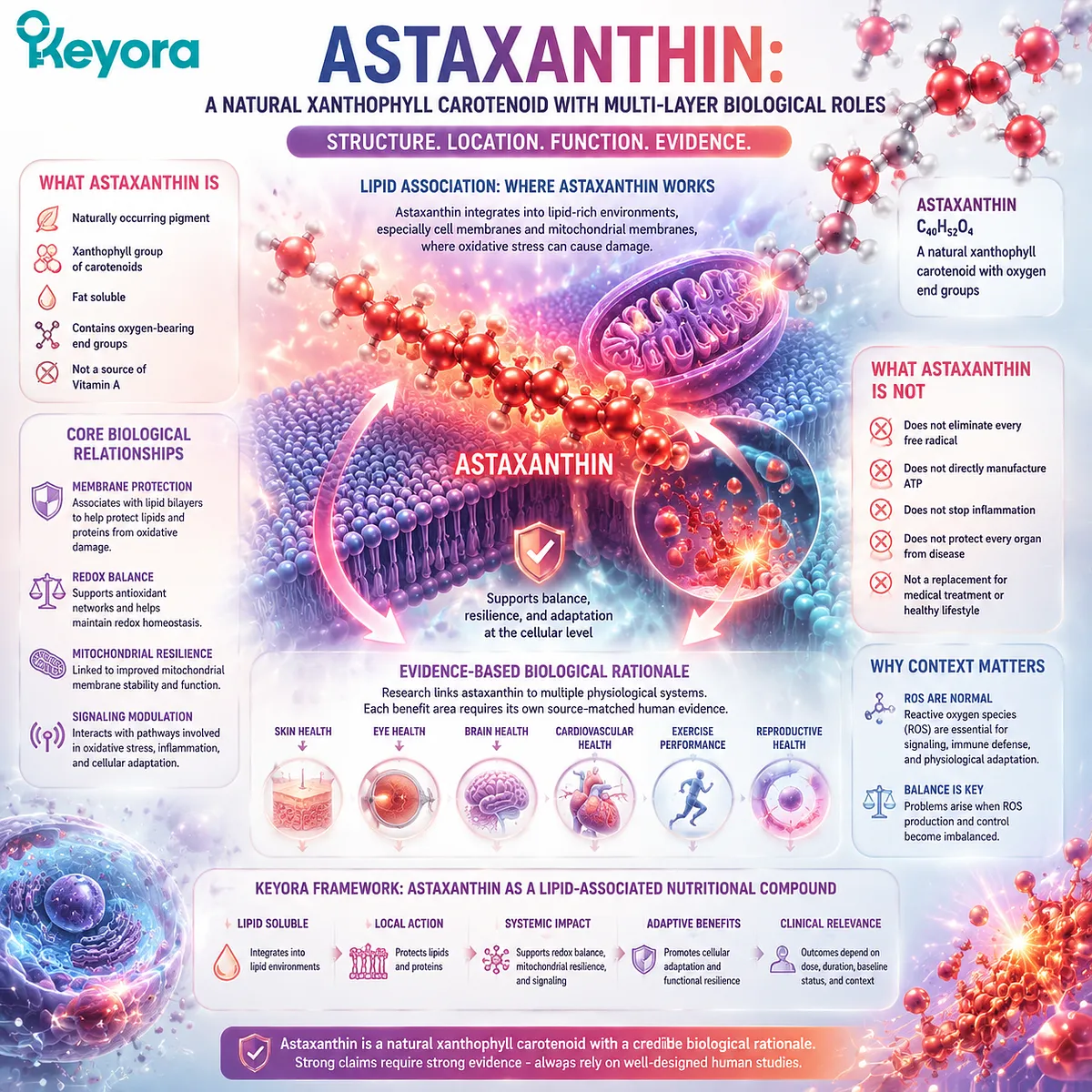
Astaxanthin is a naturally occurring pigment that belongs to the xanthophyll group of carotenoids. It is fat soluble, contains oxygen bearing end groups, and does not function as a source of vitamin A. These characteristics help distinguish astaxanthin from both vitamins and hydrocarbon carotenoids such as beta carotene.
What astaxanthin does in the body is more accurately described as supporting several shared cellular processes rather than producing one universal effect. Its structure allows it to associate with lipid environments, including cell membranes, where oxidative reactions can affect membrane lipids and proteins.
Astaxanthin is also studied for its relationship with redox balance, mitochondrial resilience, and signaling pathways that respond to oxidative and inflammatory conditions.
Membrane studies support the idea that carotenoid activity depends partly on how each carotenoid interacts with membrane lipids.
This does not mean that astaxanthin eliminates every free radical, directly manufactures ATP, stops inflammation, or protects every organ from disease.
Reactive oxygen species are normal participants in cellular signaling, immune defense, and physiological adaptation. Problems arise when their formation and control become unbalanced.
In the Keyora framework, astaxanthin is therefore understood as a lipid associated nutritional compound with a credible biological rationale.
Each proposed skin, eye, brain, cardiovascular, exercise, or reproductive benefit still requires its own source matched human evidence.
What Astaxanthin Actually Is
Start with the molecule’s identity before discussing what it may do
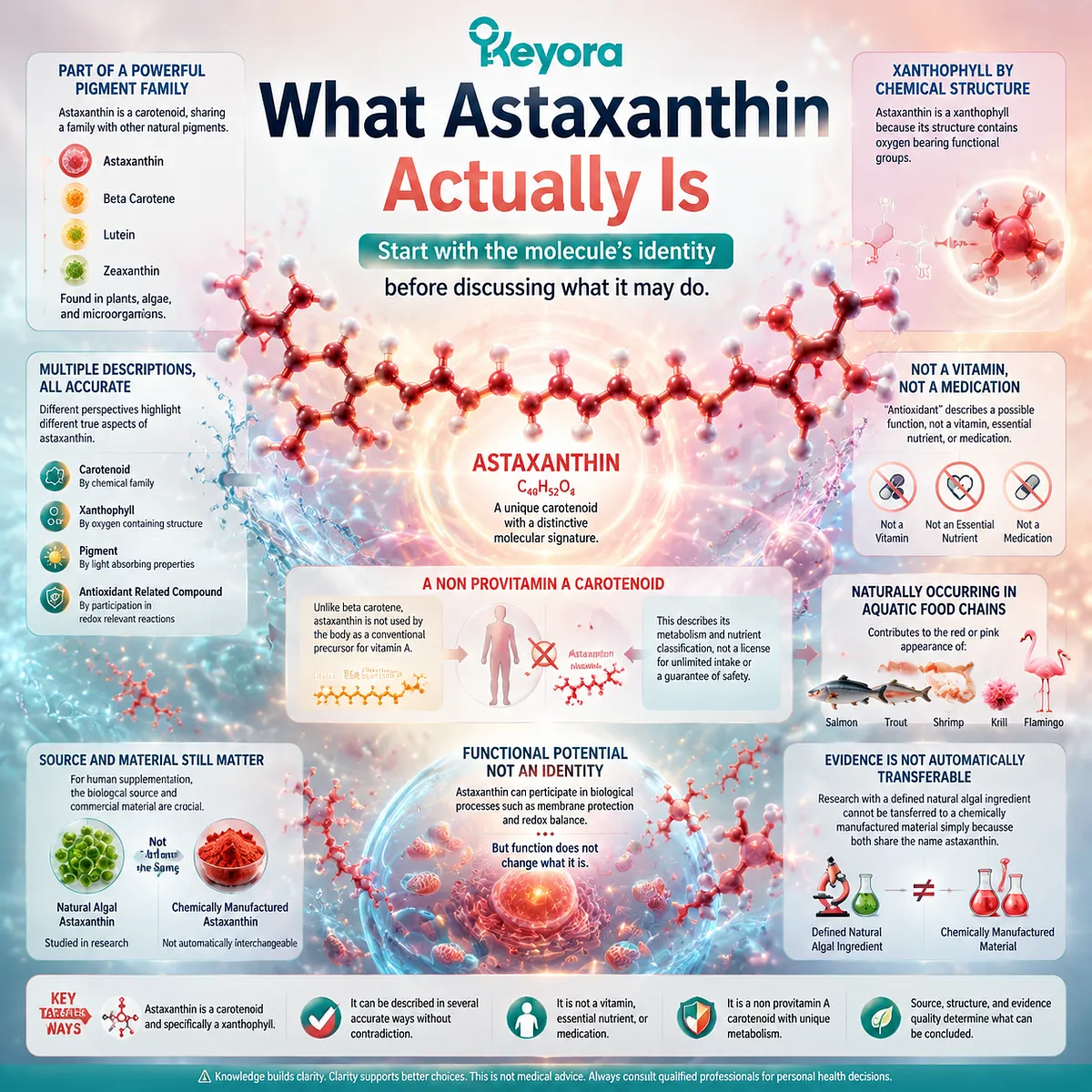
Astaxanthin is a carotenoid, which places it in the same broad pigment family as beta carotene, lutein, zeaxanthin, and several other compounds made by plants, algae, and microorganisms.
More specifically, astaxanthin is a xanthophyll because its molecular structure contains oxygen bearing functional groups.
This classification explains why several descriptions of astaxanthin can all be accurate without meaning the same thing. It can be described as a carotenoid because of its chemical family, a xanthophyll because of its oxygen containing structure, a pigment because it absorbs visible light, and an antioxidant related compound because it participates in redox relevant reactions.
However, “antioxidant” describes a possible biological function. It does not turn astaxanthin into a vitamin, an essential nutrient, or a medication.
Astaxanthin is also classified as a non provitamin A carotenoid. Unlike beta carotene, it is not used by the body as a conventional precursor for vitamin A production.
This distinction does not mean that astaxanthin can be consumed at unlimited doses or that every product containing it is automatically safe. It only describes one aspect of its metabolism and nutrient classification.
Astaxanthin occurs in aquatic food chains and can contribute to the red or pink appearance of salmon, trout, shrimp, and other organisms.
For human supplementation, the biological source and commercial material still matter.
Research performed with a defined natural algal ingredient cannot automatically be transferred to a chemically manufactured material simply because both use the name astaxanthin.
Why Its Chemistry Matters in the Body
Its lipid affinity and conjugated structure help explain its relevance to redox and membrane biology
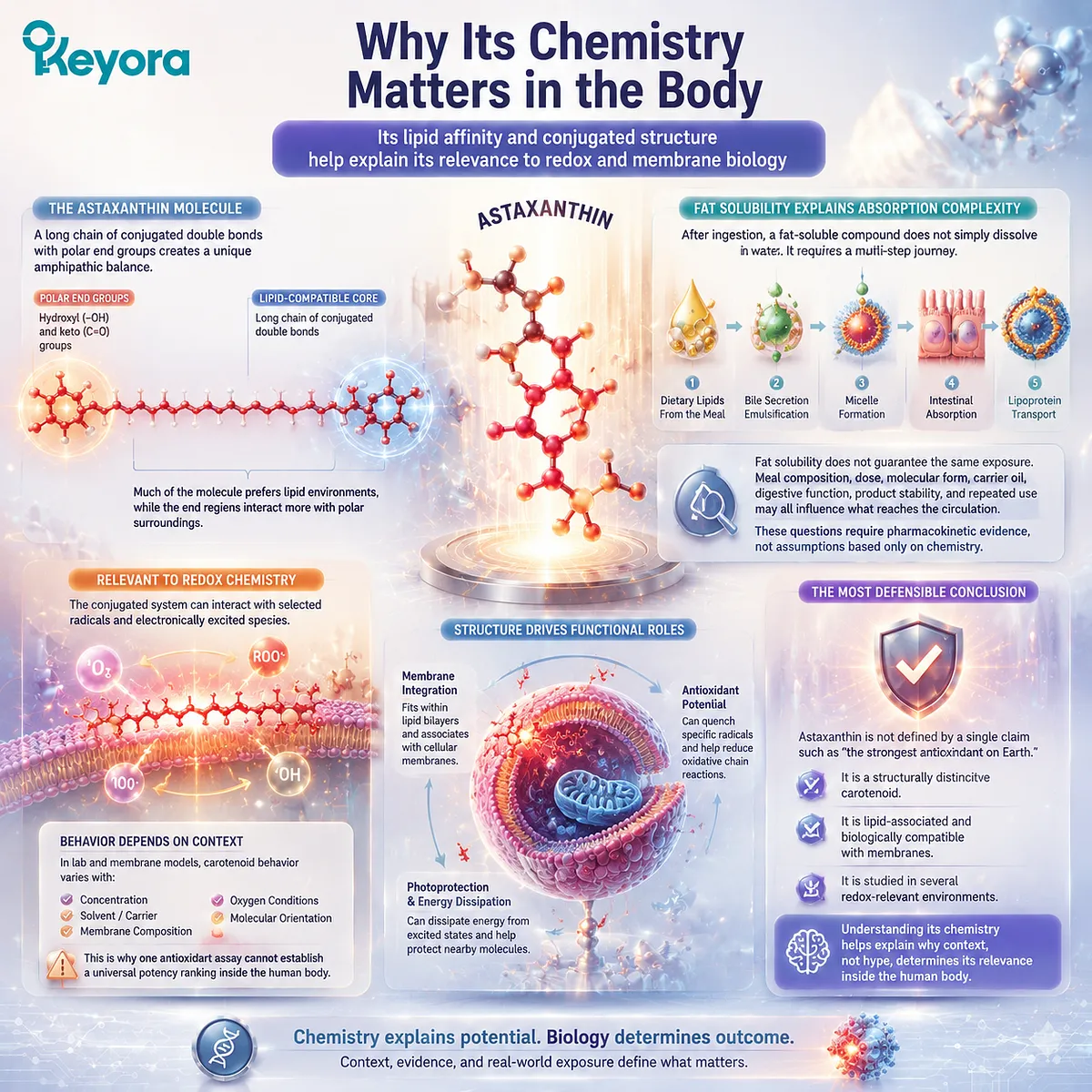
A large part of the astaxanthin molecule consists of a long chain of conjugated double bonds. At each end are rings containing hydroxyl and keto groups. This combination gives astaxanthin a distinctive balance: much of the molecule is compatible with lipid environments, while its end regions have greater interaction with more polar surroundings.
This structure helps explain why astaxanthin is fat soluble.
After ingestion, a fat soluble compound does not simply dissolve into the watery contents of the digestive tract. Its digestion and transport depend on processes involving dietary lipids, bile, micelle formation, intestinal absorption, and lipoprotein transport.
Fat solubility does not guarantee that every formulation will produce the same exposure.
Meal composition, dose, molecular form, carrier oil, digestive function, product stability, and repeated use may all influence what reaches the circulation. These absorption questions require direct pharmacokinetic evidence rather than assumptions based only on chemistry.
Astaxanthin’s structure is also relevant to redox chemistry. Its conjugated system can participate in reactions involving selected radicals and electronically excited species.
In laboratory and membrane models, the behavior of carotenoids varies with concentration, solvent, membrane composition, oxygen conditions, and molecular orientation. This is why one antioxidant assay cannot establish a universal potency ranking inside the human body.
The most defensible conclusion is not that astaxanthin is the strongest antioxidant on Earth. It is that astaxanthin is a structurally distinctive, lipid associated carotenoid studied in several redox relevant environments.
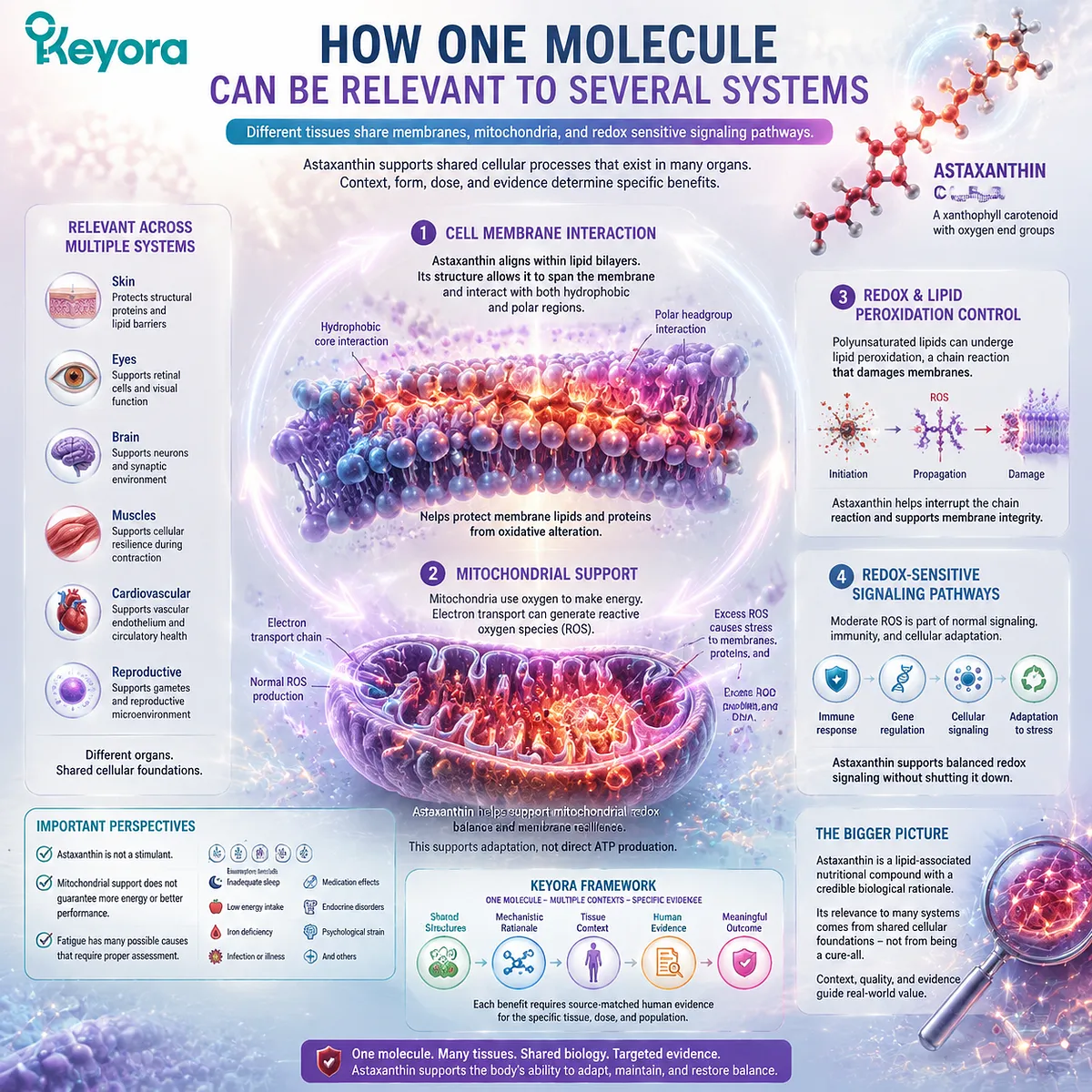
How One Molecule Can Be Relevant to Several Systems
Different tissues share membranes, mitochondria, and redox sensitive signaling pathways
Product descriptions often connect astaxanthin with the skin, eyes, brain, muscles, cardiovascular system, and other tissues. This can initially sound as though one supplement is being presented as a solution for unrelated problems.
The biological explanation is more specific. Different organs contain many of the same basic cellular structures. Their cells depend on phospholipid membranes, mitochondrial energy systems, controlled redox signaling, repair processes, and carefully regulated inflammatory responses.
Cell membranes are especially relevant because they contain lipids and proteins that can be altered by uncontrolled oxidative reactions.
Polyunsaturated membrane lipids can participate in lipid peroxidation, a chain reaction that may change membrane permeability, protein activity, signaling, and structural stability.
Biophysical research indicates that carotenoids interact with membranes in ways influenced by their individual structures.
Astaxanthin can associate with lipid bilayers because its central region is compatible with the membrane’s hydrophobic interior while its oxygen containing ends can interact with more polar regions. The exact orientation may differ according to molecular form, lipid composition, concentration, and experimental model.
Mitochondria provide another shared point of relevance. These structures use electron transfer and oxygen during normal energy metabolism, and reactive oxygen species can be generated as part of this process.
Moderate reactive signaling contributes to adaptation, while excessive or poorly controlled production can place pressure on mitochondrial membranes, proteins, and cellular repair systems.
Preclinical research has therefore examined whether astaxanthin can support mitochondrial redox conditions and membrane resilience. This is not the same as directly producing ATP.
Astaxanthin is not a stimulant, and mitochondrial support does not guarantee that a person will feel more energetic.
Fatigue may also result from inadequate sleep, low energy intake, iron deficiency, infection, medication effects, endocrine disorders, psychological strain, or other causes requiring separate assessment.
What Redox Balance Has to Do With Inflammatory Signaling
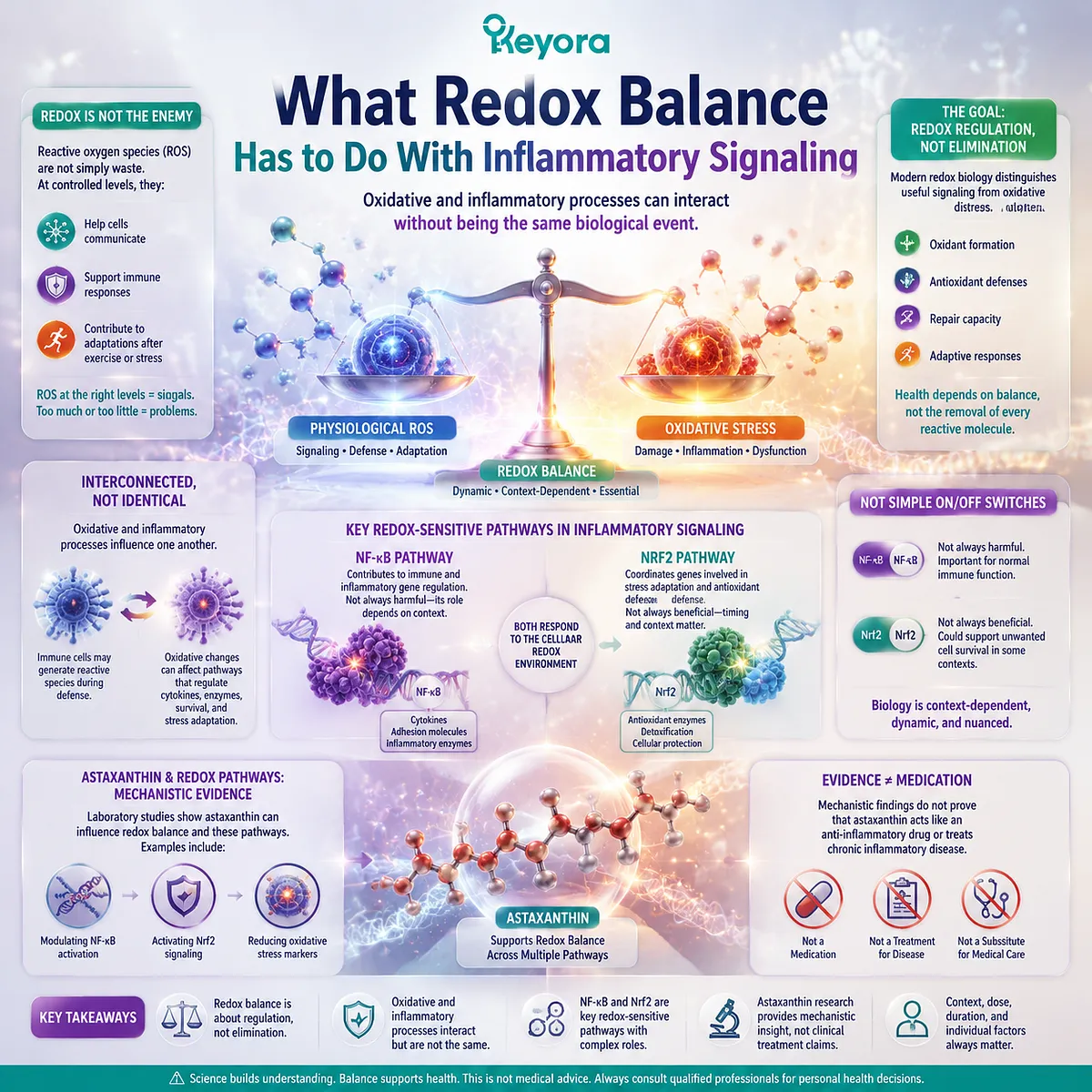
Oxidative and inflammatory processes can interact without being the same biological event
Reactive oxygen species are not simply waste products that the body should eliminate.
At controlled levels, they help cells communicate, support immune responses, and contribute to adaptations following exercise or other physiological stress.
Modern redox biology distinguishes useful physiological signaling from oxidative distress.
Oxidative stress develops when oxidant formation, antioxidant defenses, repair capacity, and adaptive responses no longer remain appropriately balanced. The goal is therefore redox regulation, not the removal of every reactive molecule.
Oxidative and inflammatory processes can influence one another. Immune cells may generate reactive species during defense responses.
Oxidative changes can also affect transcriptional pathways that regulate cytokines, enzymes, cellular survival, and stress adaptation.
NF kappa B and Nrf2 are frequently mentioned in astaxanthin research because both respond to aspects of the cellular redox environment. NF kappa B contributes to immune and inflammatory gene regulation, while Nrf2 helps coordinate genes involved in stress adaptation and antioxidant defense.
These pathways are not simple on and off switches. NF kappa B is not always harmful, and Nrf2 is not always beneficial under every condition.
Laboratory reports that astaxanthin influences these pathways provide mechanistic evidence, but they do not prove that astaxanthin acts like an anti inflammatory medication or treats a chronic inflammatory disease.
What the Evidence Can and Cannot Show
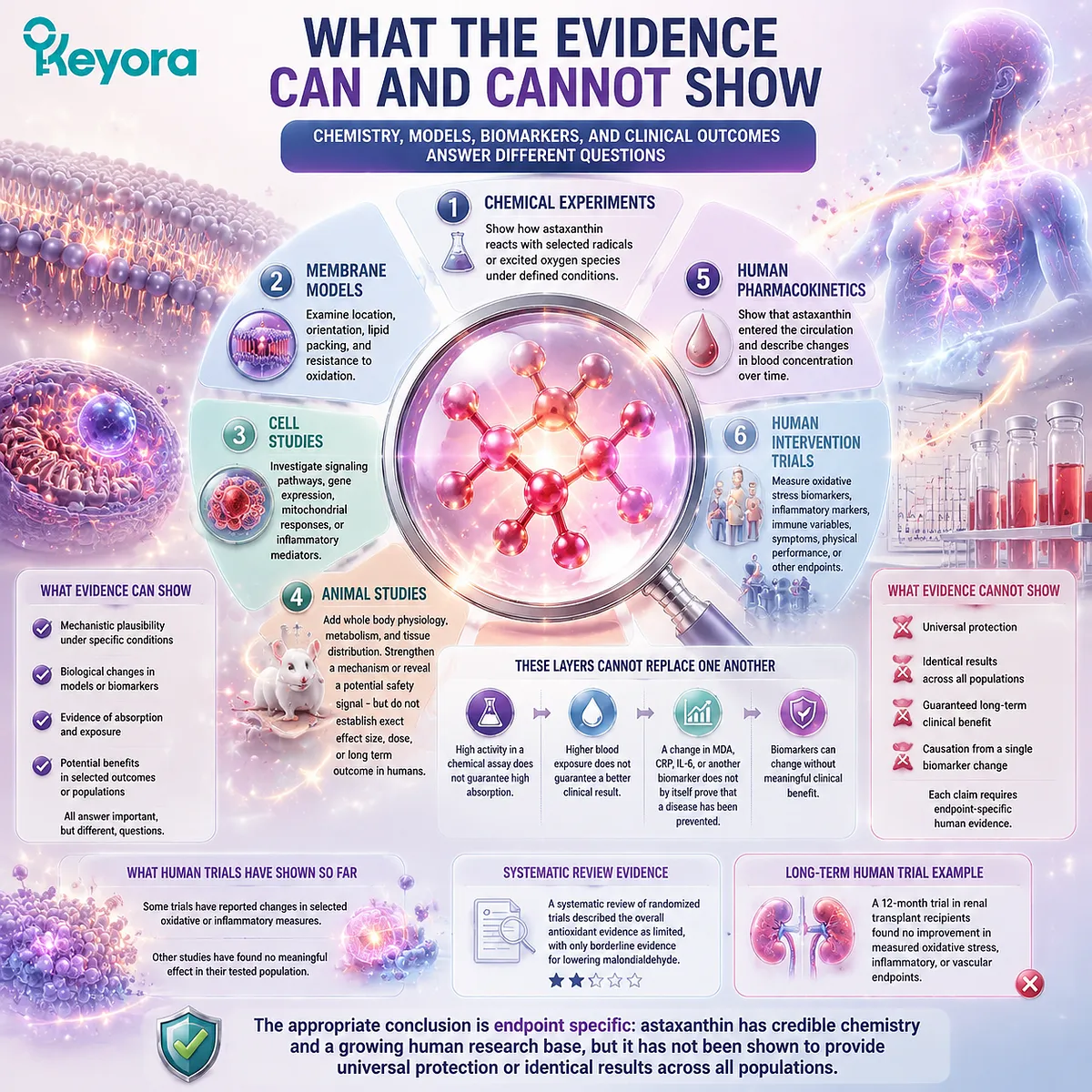
Chemistry, models, biomarkers, and clinical outcomes answer different questions
A useful way to understand astaxanthin evidence is to ask what was actually measured.
Chemical experiments can show how astaxanthin reacts with selected radicals or excited oxygen species under defined laboratory conditions.
Membrane models can examine location, orientation, lipid packing, and resistance to oxidation.
Cell studies can investigate signaling pathways, gene expression, mitochondrial responses, or inflammatory mediators.
Animal studies add whole body physiology, metabolism, and tissue distribution. They can strengthen a mechanism or reveal a potential safety signal, but they do not establish the exact effect size, effective dose, or long term outcome in humans.
Human pharmacokinetic research can show that astaxanthin entered the circulation and describe changes in blood concentration over time.
Human intervention trials may measure oxidative stress biomarkers, inflammatory markers, immune variables, symptoms, physical performance, or other endpoints.
These layers cannot replace one another.
High activity in a chemical assay does not guarantee high absorption.
Higher blood exposure does not guarantee a better clinical result.
A change in malondialdehyde, C reactive protein, interleukin 6, or another biomarker does not by itself prove that a disease has been prevented.
Some human trials have reported changes in selected oxidative or inflammatory measures, while other studies have found no meaningful effect in their tested population.
A systematic review of randomized trials described the overall antioxidant evidence as limited, with only borderline evidence for lowering malondialdehyde.
A twelve month trial in renal transplant recipients found no improvement in its measured oxidative stress, inflammatory, or vascular endpoints.
The appropriate conclusion is endpoint specific: astaxanthin has credible chemistry and a growing human research base, but it has not been shown to provide universal protection or identical results across all populations.
Use the Keyora Identity – Location – Evidence Check
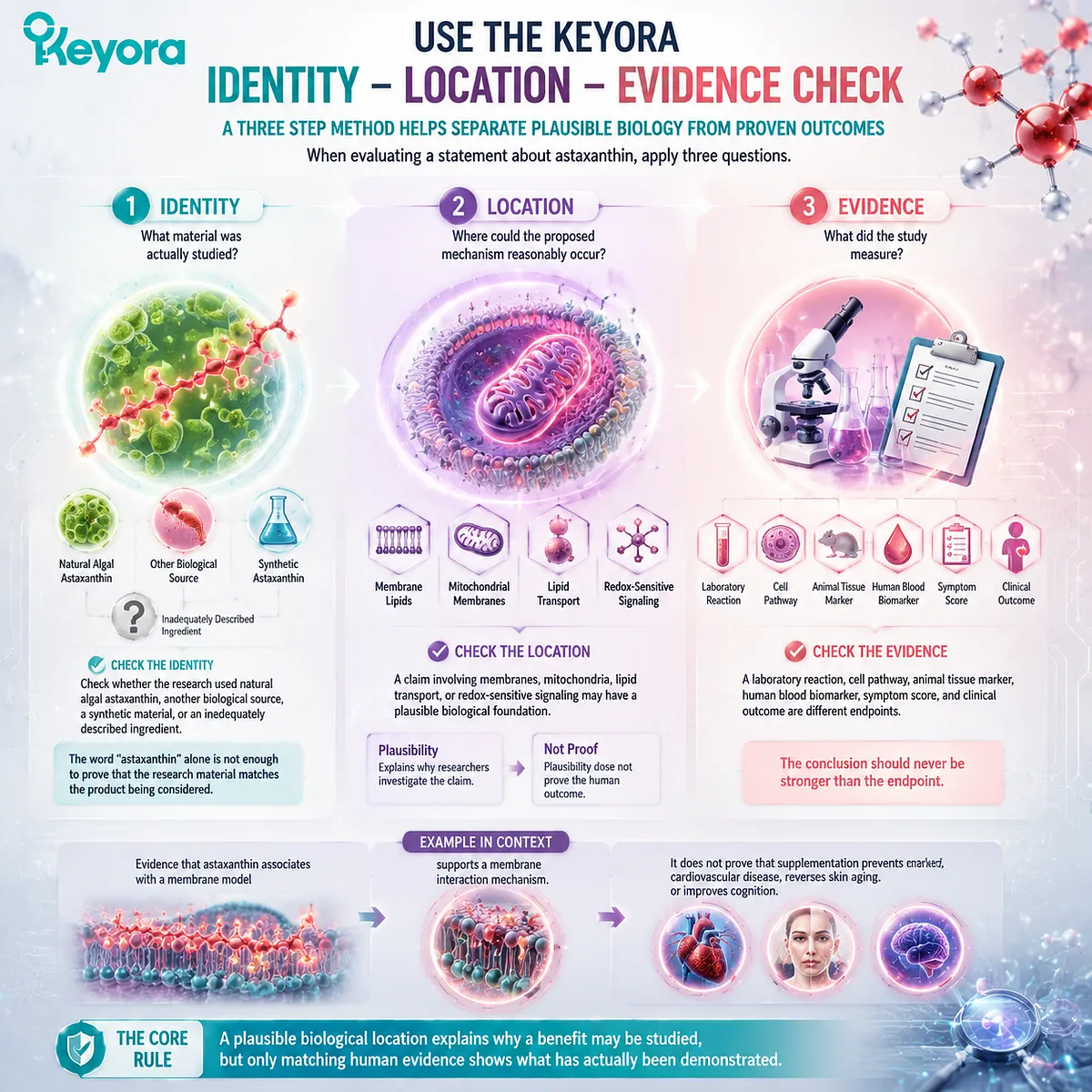
A three step method helps separate plausible biology from proven outcomes
When evaluating a statement about astaxanthin, apply three questions.
1. Identity
What material was actually studied?
Check whether the research used natural algal astaxanthin, another biological source, a synthetic material, or an inadequately described ingredient. The word astaxanthin alone is not enough to prove that the research material matches the product being considered.
2. Location
Where could the proposed mechanism reasonably occur?
A claim involving membrane lipids, mitochondrial membranes, lipid transport, or redox sensitive signaling may have a plausible biological foundation. Plausibility explains why researchers investigate the claim. It does not prove the human outcome.
3. Evidence
What did the study measure?
A laboratory reaction, cell pathway, animal tissue marker, human blood biomarker, symptom score, and clinical outcome are different endpoints. The conclusion should never be stronger than the endpoint.
For example, evidence that astaxanthin associates with a membrane model supports a membrane interaction mechanism. It does not prove that supplementation prevents cardiovascular disease, reverses skin aging, or improves cognition.
The core rule is:
A plausible biological location explains why a benefit may be studied, but only matching human evidence shows what has actually been demonstrated.
Where Keyora Fits
The product provides natural astaxanthin in a lipid based context without replacing the need for finished formula evidence
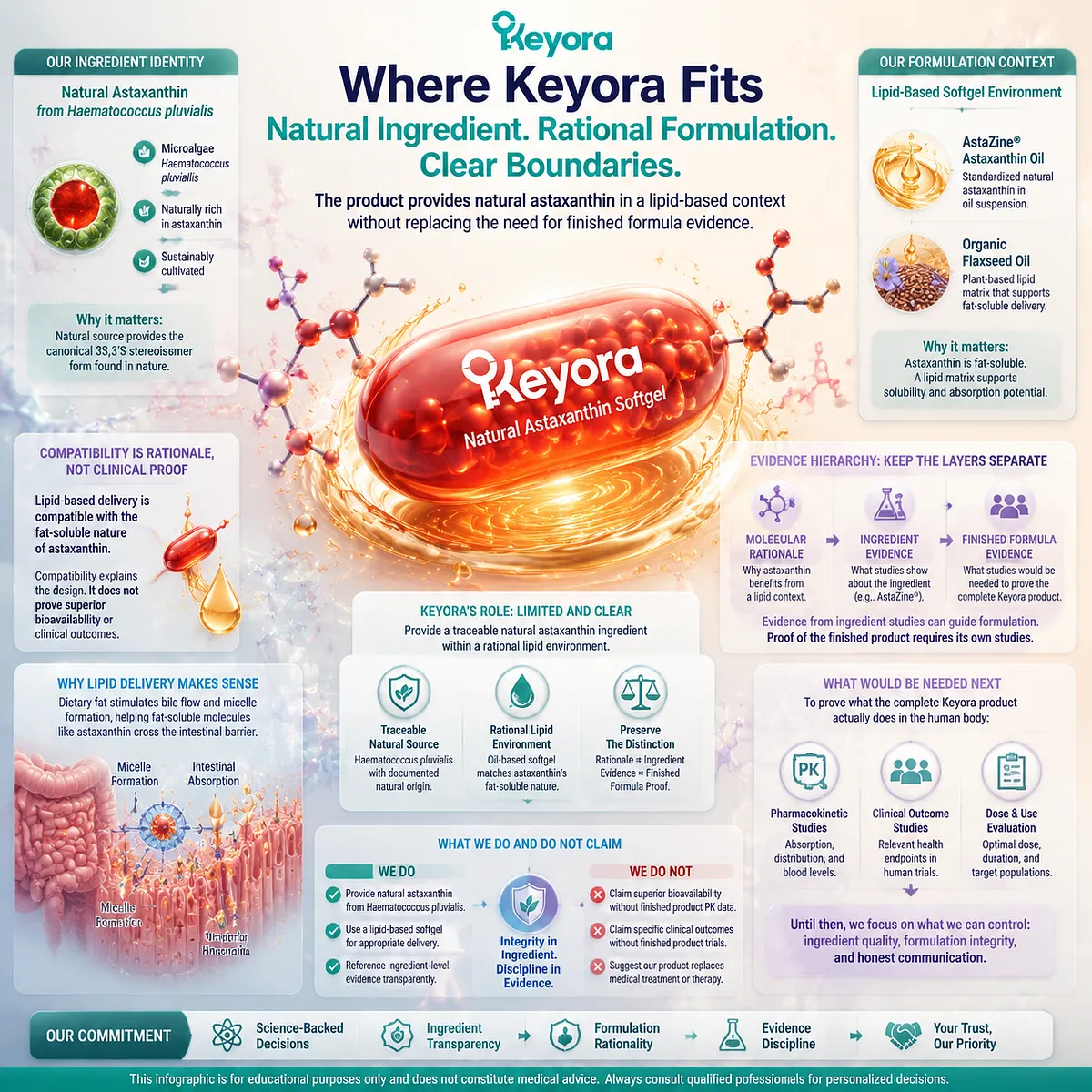
Keyora uses natural astaxanthin from Haematococcus pluvialis in an oil based softgel context. The current label identifies active astaxanthin from AstaZine astaxanthin oil and organic flaxseed oil as the primary lipid matrix. This formulation context is compatible with the fat soluble nature of astaxanthin.
That compatibility is a formulation rationale, not proof that the complete Keyora product has superior bioavailability or has produced specific clinical outcomes.
Evidence from astaxanthin ingredient studies can support why the formula was designed this way, but the exact finished product would require its own pharmacokinetic and clinical studies.
Keyora’s role in this article is therefore limited and clear: provide a traceable natural astaxanthin ingredient within a rational lipid environment while preserving the distinction between molecular rationale, ingredient evidence, and finished formula proof.
Closing Summary
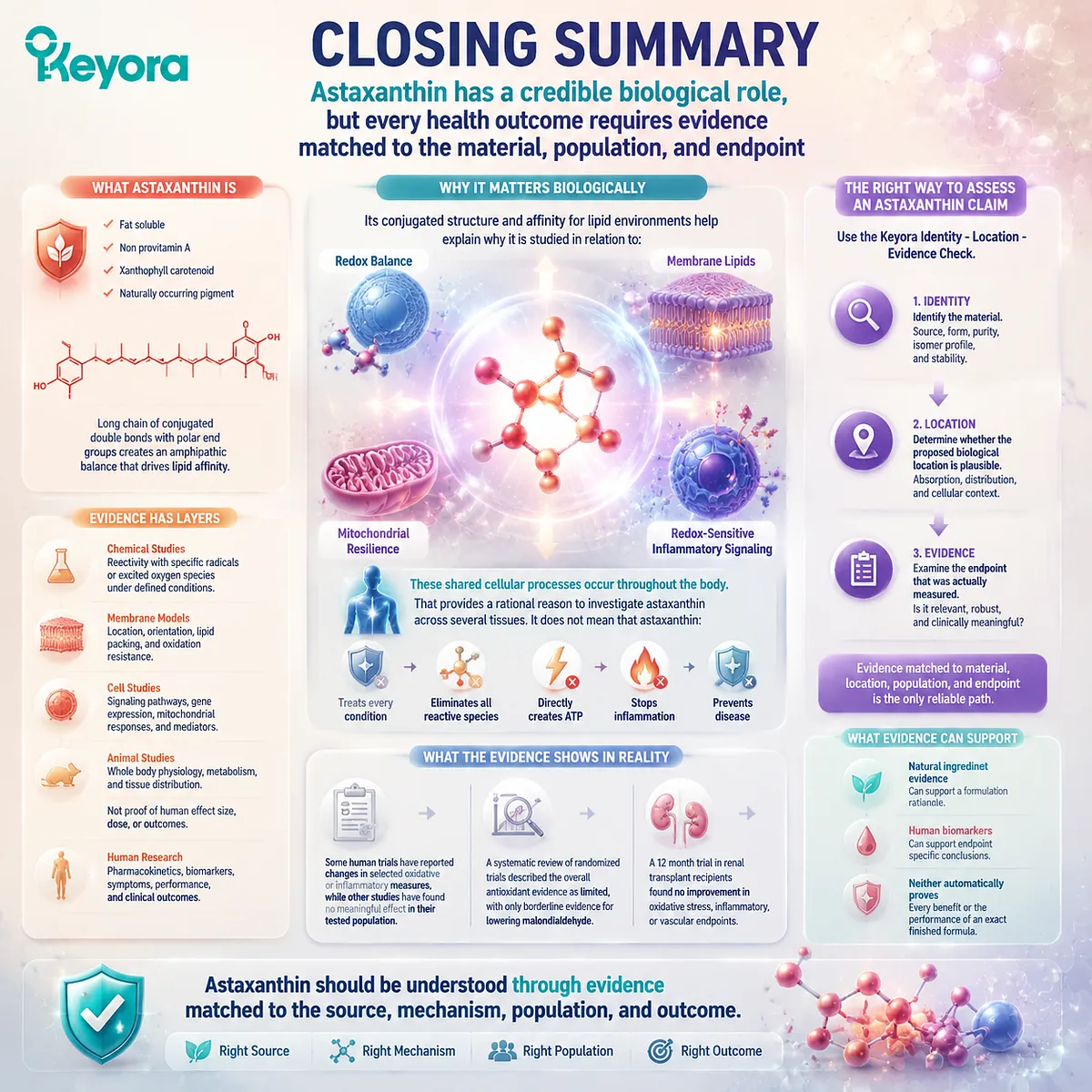
Astaxanthin has a credible biological role, but every health outcome requires evidence matched to the material, population, and endpoint
Astaxanthin is a fat soluble, non provitamin A xanthophyll carotenoid. Its conjugated structure and affinity for lipid environments help explain why it is studied in relation to redox balance, membrane lipids, mitochondrial resilience, and redox sensitive inflammatory signaling.
These shared cellular processes occur throughout the body, which provides a rational reason to investigate astaxanthin across several tissues. It does not mean that astaxanthin treats every condition involving those tissues, eliminates all reactive species, directly creates ATP, stops inflammation, or prevents disease.
The strongest way to assess an astaxanthin claim is to use the Keyora Identity – Location – Evidence Check.
Identify the material, determine whether the proposed biological location is plausible, and examine the endpoint that was actually measured.
Natural ingredient evidence can support a formulation rationale. Human biomarkers can support endpoint specific conclusions.
Neither automatically proves every benefit or the performance of an exact finished formula.
Astaxanthin should be understood through evidence matched to the source, mechanism, population, and outcome.
This article is for educational and informational purposes only. It does not provide medical advice, diagnosis, treatment, cure, prevention, disease outcome claims, hormone restoration claims, fertility outcome claims, or formula-specific clinical efficacy claims.