
Why Are Most Modern Diets Too High in Omega-6 and Too Low in Omega-3?
Keyora Research Q&A Library
This is part of the Keyora Research Q&A Series, derived from Keyora Astaxanthin Research Journal Series.
Within the Keyora Astaxanthin Researcn framework, this Q&A translates complex astaxanthin biology into reader-friendly, evidence-bound answers, focusing on natural astaxanthin identity, molecular structure, antioxidant and redox mechanisms, membrane lipid interaction, mitochondrial resilience, inflammatory signaling pathways, human evidence interpretation, and the scientific principles behind responsible supplementation.
First published by Keyora Research Journal: www.keyorahealth.com
Direct Answer
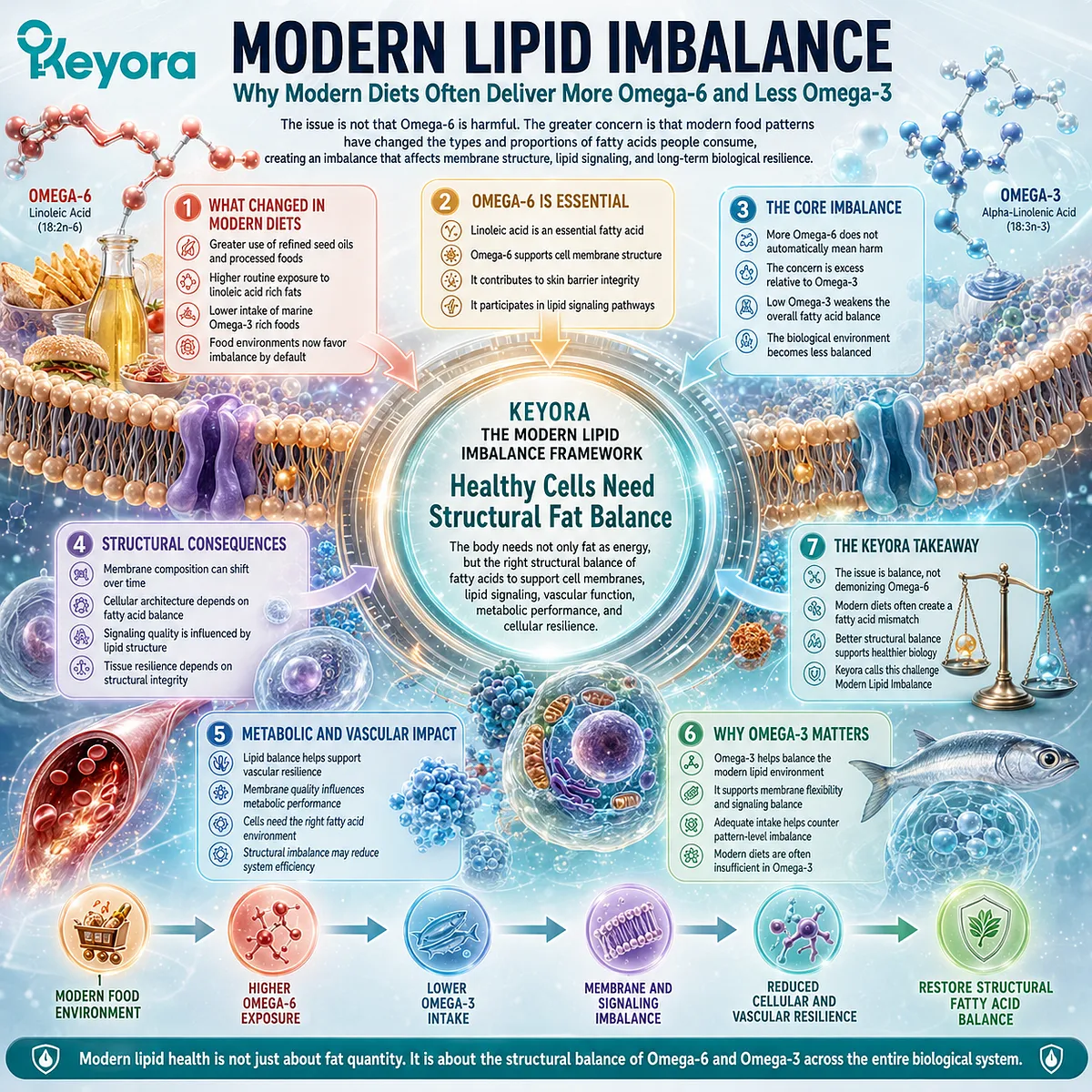
Modern diets are often higher in Omega-6 and lower in Omega-3 because the modern food environment has changed the types and proportions of fatty acids people consume every day.
The issue is not that Omega-6 fatty acids are harmful. Omega-6 fatty acids, especially linoleic acid (LA), are essential nutrients involved in cell membrane structure, skin barrier function, and lipid signaling.
The greater concern is that many modern dietary patterns provide a much higher exposure to Omega-6 fatty acids while providing insufficient Omega-3 fatty acids, creating an imbalance in the fatty acid environment that supports cellular structure and biological signaling.
Keyora defines this challenge as Modern Lipid Imbalance.
The human body does not only need fat as energy. It requires the correct structural balance of fatty acids to maintain healthy cell membranes, regulate lipid-derived signals, and support vascular, metabolic, and cellular resilience.
Why Modern Diets Changed Fatty Acid Balance
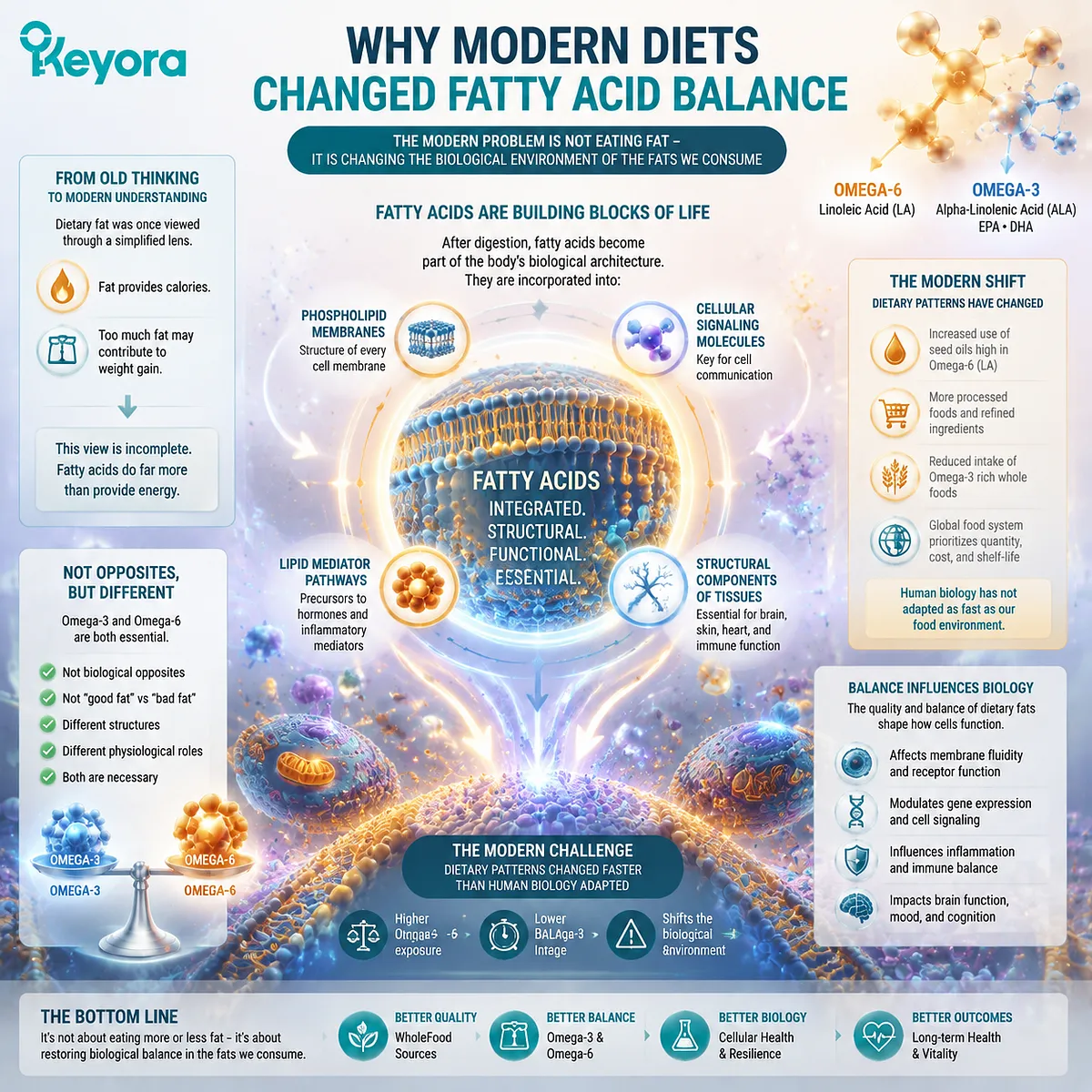
The modern problem is not eating fat – it is changing the biological environment of the fats we consume
For many decades, dietary fat was mainly discussed through a simplified framework:
Fat provides calories.
Too much fat may contribute to weight gain.
However, fatty acids perform functions far beyond energy storage.
After digestion, fatty acids become part of the body’s biological architecture.
They are incorporated into:
-
phospholipid membranes
-
cellular signaling molecules
-
lipid mediator pathways
-
structural components of tissues
This means the quality and balance of dietary fats influence how cells communicate and respond to their environment.
Omega-3 and Omega-6 fatty acids are both essential fatty acid families.
They are not biological opposites.
They are not “good fat versus bad fat”.
They are different structural components with different physiological roles.
The modern challenge emerged because dietary patterns changed faster than human biology adapted.
Why Omega-6 Is Not the Enemy
Understanding essential fatty acids requires moving beyond simple good versus bad categories
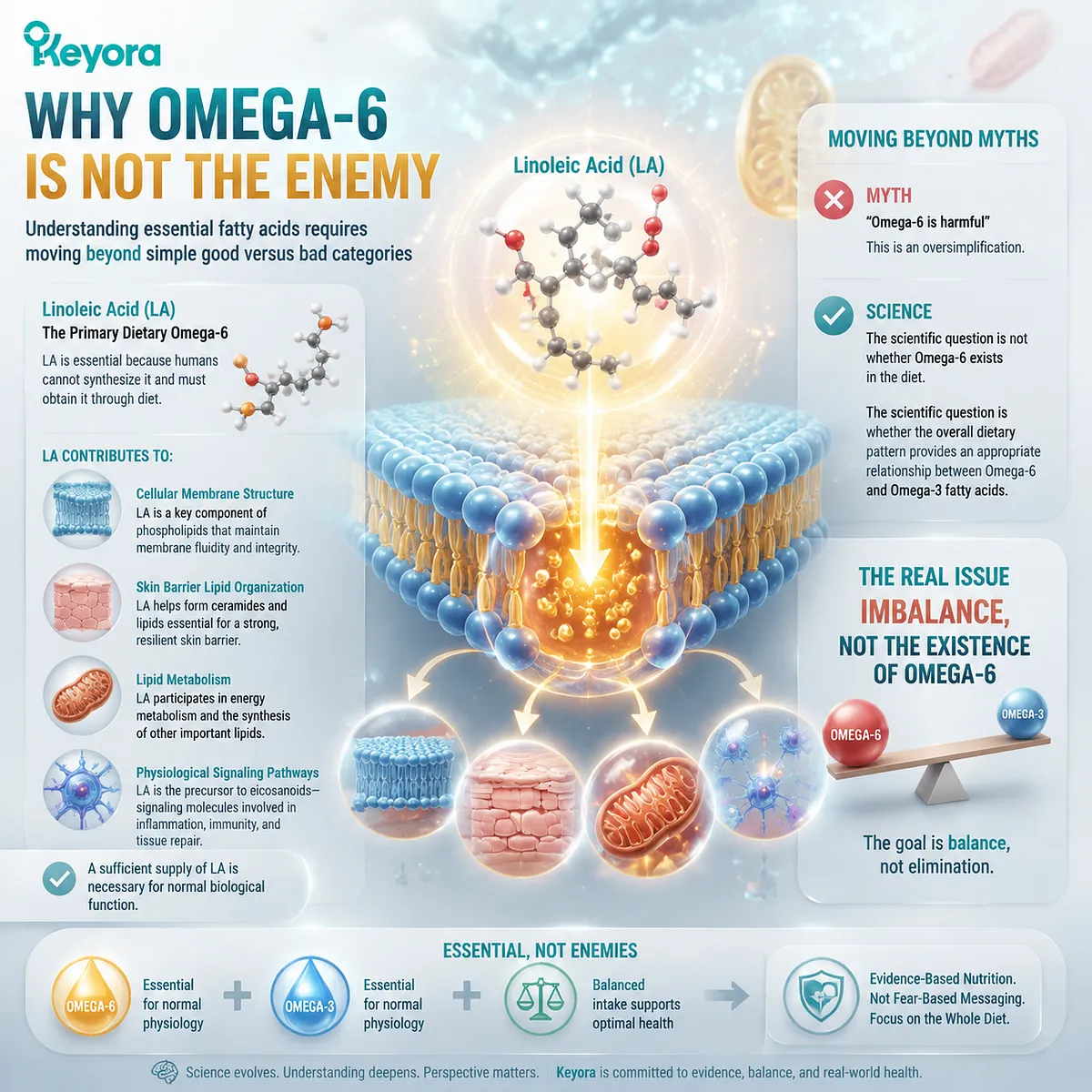
Linoleic acid (LA) is the primary dietary Omega-6 fatty acid.
It is essential because humans cannot synthesize it and must obtain it through diet.
LA contributes to:
-
cellular membrane structure
-
skin barrier lipid organization
-
lipid metabolism
-
physiological signaling pathways
A sufficient supply of LA is necessary for normal biological function.
Therefore, the statement:
“Omega-6 is harmful”
is an oversimplification.
The scientific question is not whether Omega-6 exists in the diet.
The scientific question is whether the overall dietary pattern provides an appropriate relationship between Omega-6 and Omega-3 fatty acids.
The problem is imbalance, not the existence of Omega-6.
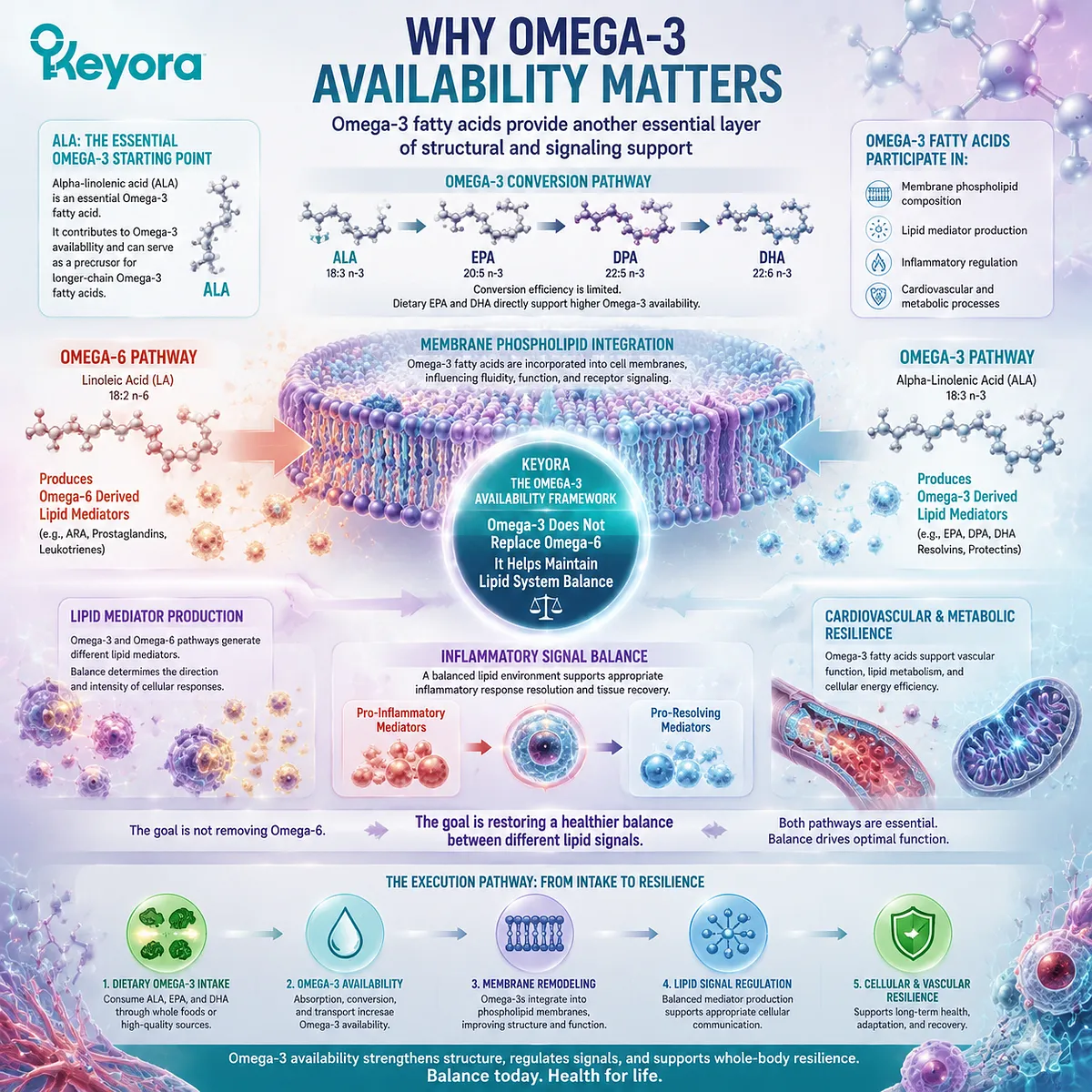
Why Omega-3 Availability Matters
Omega-3 fatty acids provide another essential layer of structural and signaling support
Alpha-linolenic acid (ALA) is an essential Omega-3 fatty acid.
It contributes to Omega-3 availability and can serve as a precursor for longer-chain Omega-3 fatty acids.
Omega-3 fatty acids participate in:
-
membrane phospholipid composition
-
lipid mediator production
-
inflammatory regulation
-
cardiovascular and metabolic processes
The body requires both Omega-6 and Omega-3 systems.
The goal is not to remove one pathway.
The goal is to maintain a healthier balance between different lipid signals.
How Modern Food Patterns Created Omega Imbalance
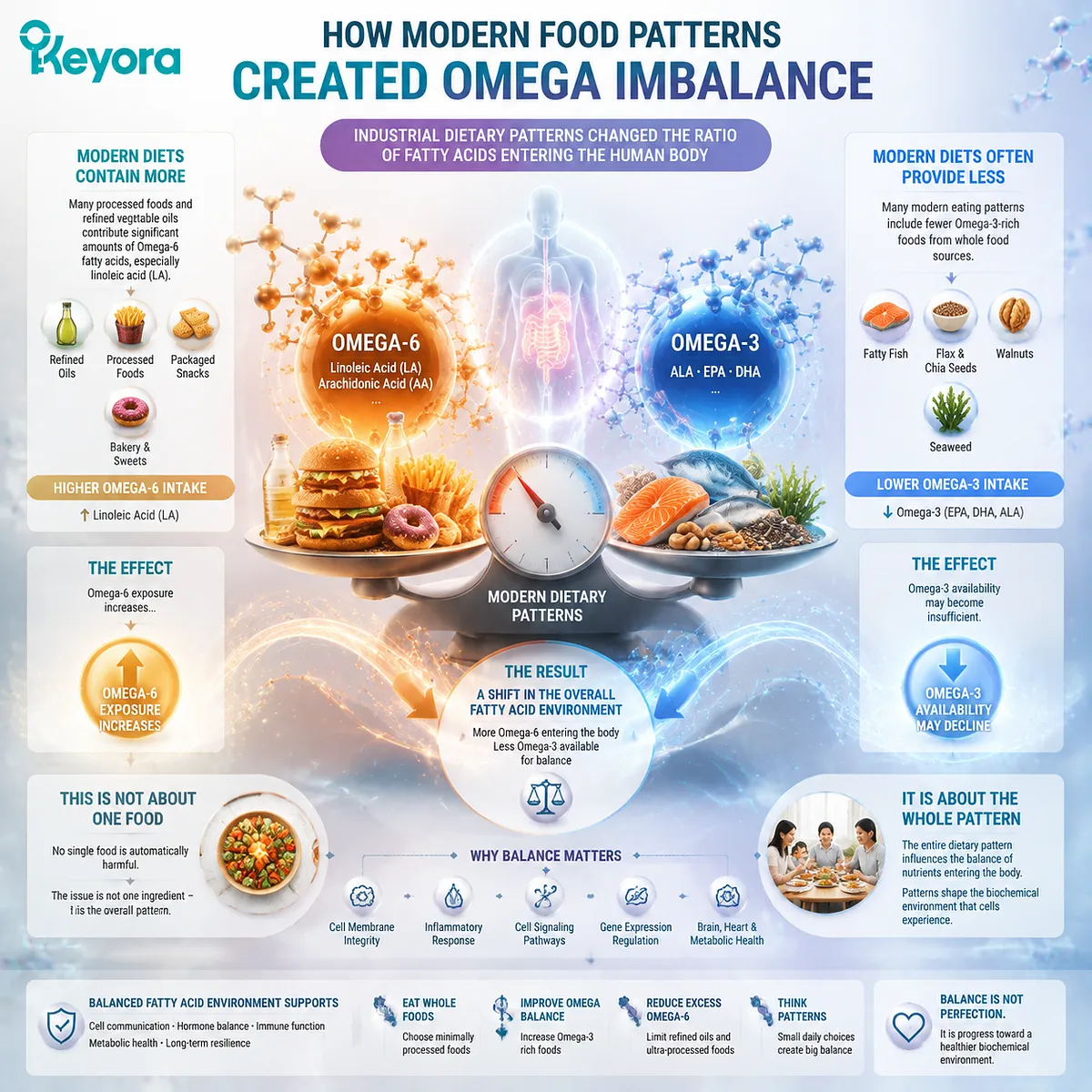
Industrial dietary patterns changed the ratio of fatty acids entering the human body
Modern diets often contain greater amounts of processed foods and refined vegetable oils.
Many of these foods contribute significant amounts of Omega-6 fatty acids, particularly linoleic acid.
At the same time, many modern eating patterns provide fewer Omega-3-rich foods.
This creates a nutritional environment where:
Omega-6 exposure increases
while
Omega-3 availability may become insufficient.
The result is a shift in the overall fatty acid environment.
This is not because one specific food is automatically harmful.
It is because the entire dietary pattern influences the balance of nutrients entering the body.
How Omega-3/Omega-6 Imbalance Influences Cellular Architecture
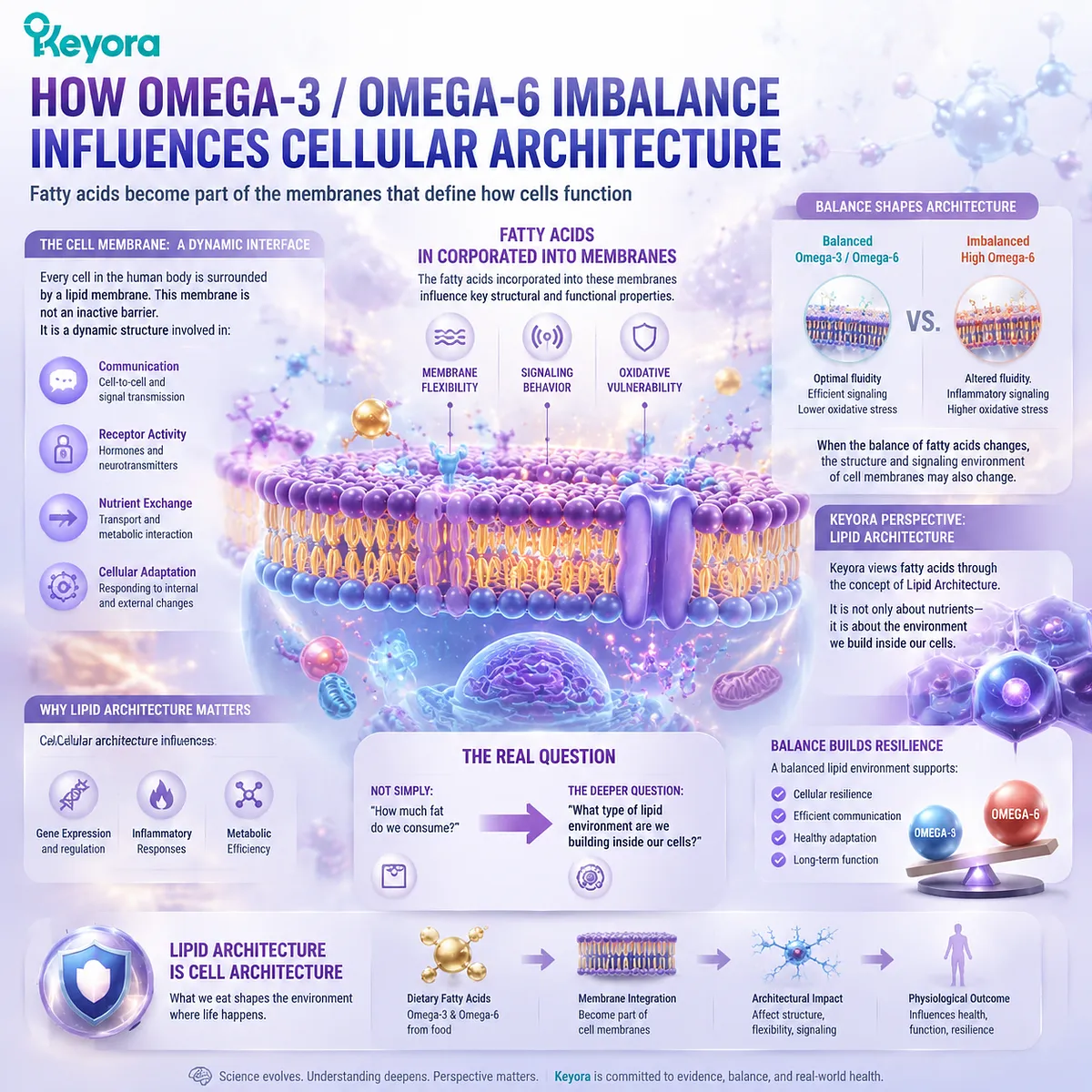
Fatty acids become part of the membranes that define how cells function
Every cell in the human body is surrounded by a lipid membrane.
This membrane is not an inactive barrier.
It is a dynamic structure involved in:
-
communication
-
receptor activity
-
nutrient exchange
-
cellular adaptation
The fatty acids incorporated into these membranes influence:
-
membrane flexibility
-
signaling behavior
-
oxidative vulnerability
When the balance of fatty acids changes, the structure and signaling environment of cell membranes may also change.
This is why Keyora views fatty acids through the concept of Lipid Architecture.
The question is not simply:
“How much fat do we consume?”
The deeper question is:
“What type of lipid environment are we building inside our cells?”
The Connection Between Lipid Balance and Vascular Health
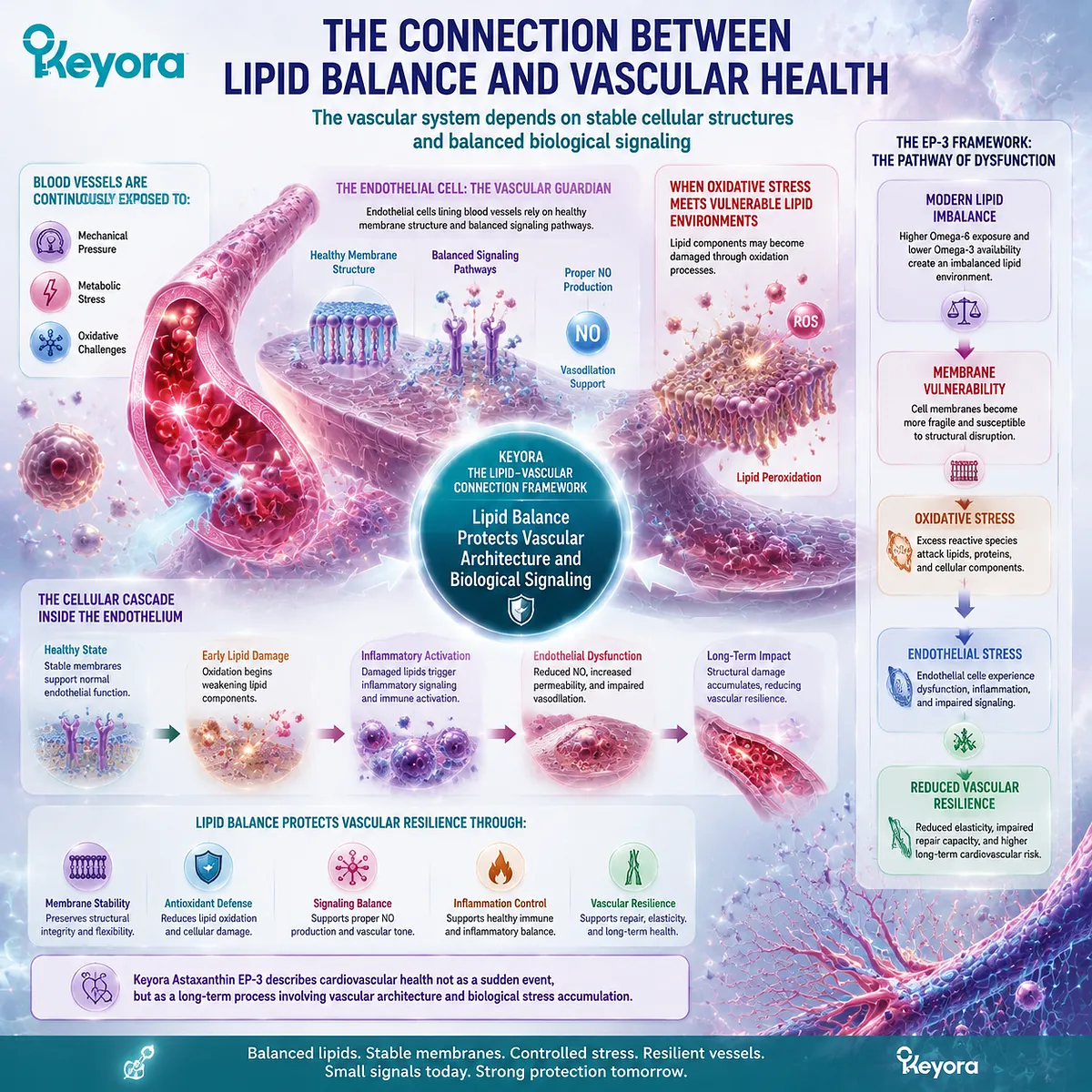
The vascular system depends on stable cellular structures and balanced biological signaling
Blood vessels are continuously exposed to:
-
mechanical pressure
-
metabolic stress
-
oxidative challenges
The endothelial cells lining blood vessels rely on healthy membrane structure and balanced signaling pathways.
When oxidative stress interacts with vulnerable lipid environments, lipid components may become damaged through oxidation processes.
This connects dietary lipid balance with the broader EP-3 framework:
Modern Lipid Imbalance
↓
Membrane Vulnerability
↓
Oxidative Stress
↓
Endothelial Stress
↓
Reduced Vascular Resilience
Keyora Astaxanthin EP-3 describes cardiovascular health not as a sudden event, but as a long-term process involving vascular architecture and biological stress accumulation.
Where Astaxanthin Fits
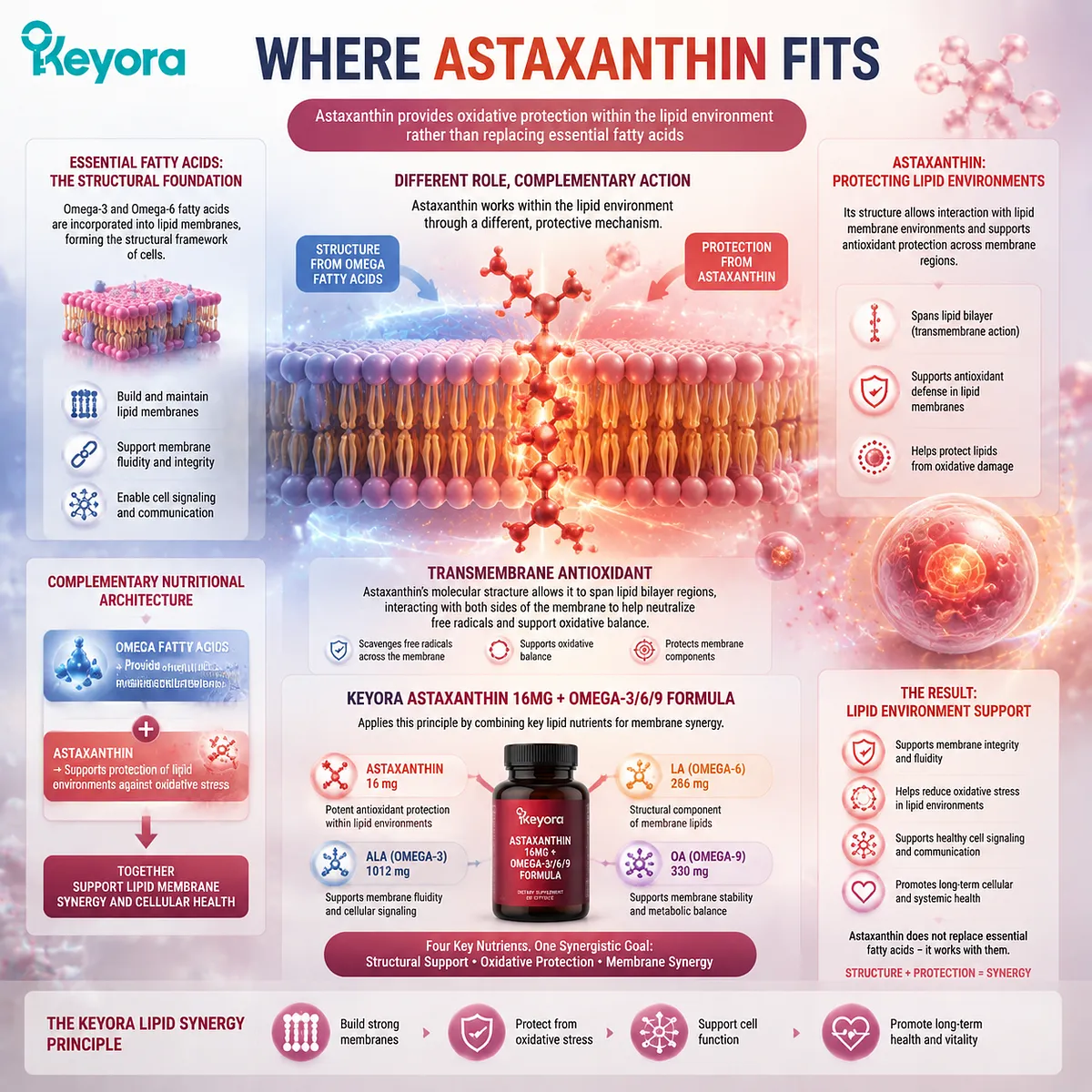
Astaxanthin provides oxidative protection within the lipid environment rather than replacing essential fatty acids
Omega-3 and Omega-6 fatty acids contribute structural components of lipid membranes.
Astaxanthin contributes through a different mechanism.
Its molecular structure allows interaction with lipid membrane environments and supports antioxidant protection across membrane regions.
The EP-3 framework describes Astaxanthin as a transmembrane antioxidant because its structure allows it to span lipid bilayer regions and support oxidative balance within membrane environments.
This creates a complementary nutritional architecture:
Omega fatty acids:
→ provide structural lipid components
Astaxanthin:
→ supports protection of lipid environments against oxidative stress
The Keyora Astaxanthin 16MG + Omega-3/6/9 Formula applies this principle by combining:
-
Astaxanthin 16 mg
-
ALA 1012 mg
-
LA 286 mg
-
OA 330 mg
to support lipid membrane synergy.
Practical Interpretation
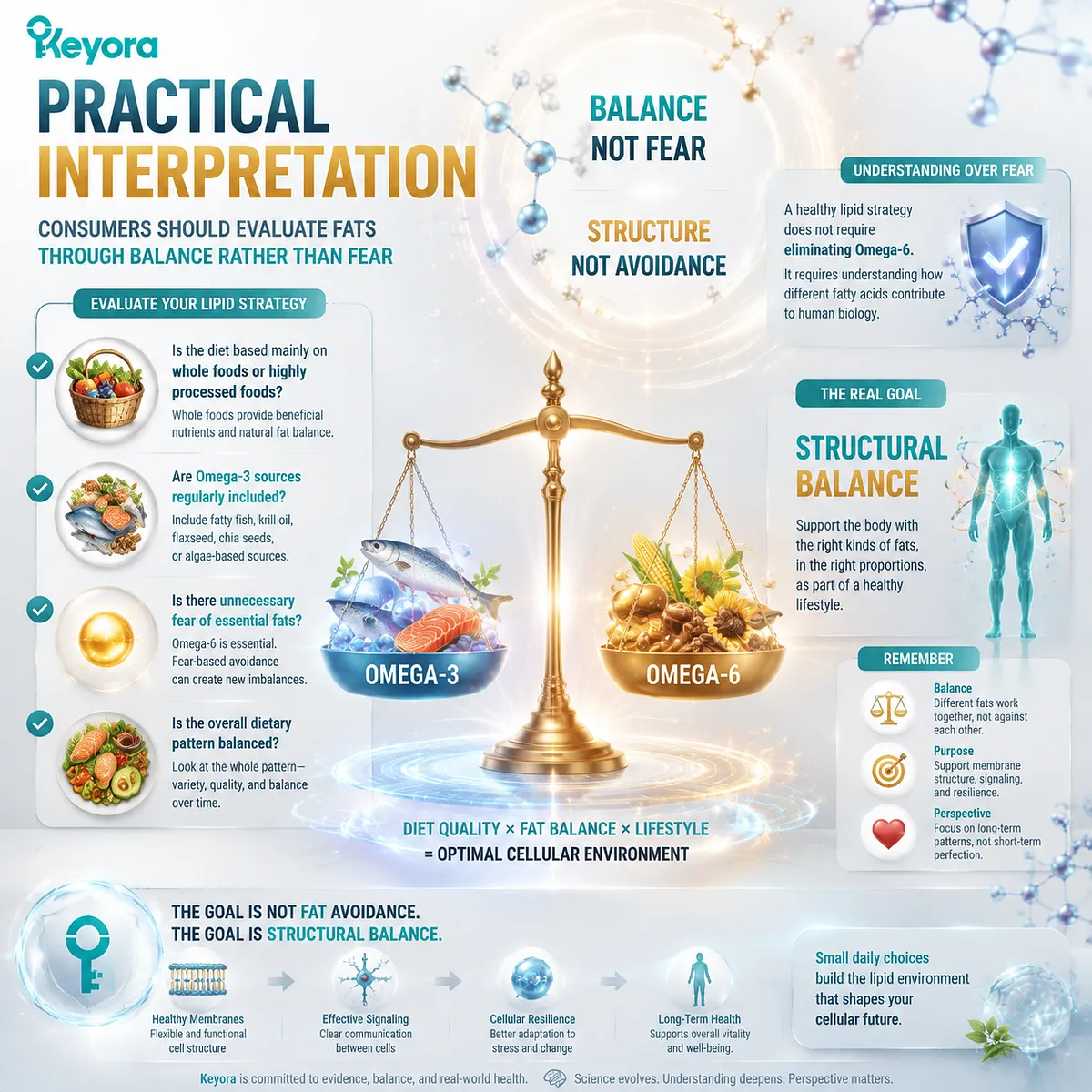
Consumers should evaluate fats through balance rather than fear
When evaluating Omega-3 and Omega-6 intake, consumers should consider:
-
Is the diet based mainly on whole foods or highly processed foods?
-
Are Omega-3 sources regularly included?
-
Is there unnecessary fear of essential fats?
-
Is the overall dietary pattern balanced?
A healthy lipid strategy does not require eliminating Omega-6.
It requires understanding how different fatty acids contribute to human biology.
The goal is not fat avoidance.
The goal is structural balance.
Closing Summary
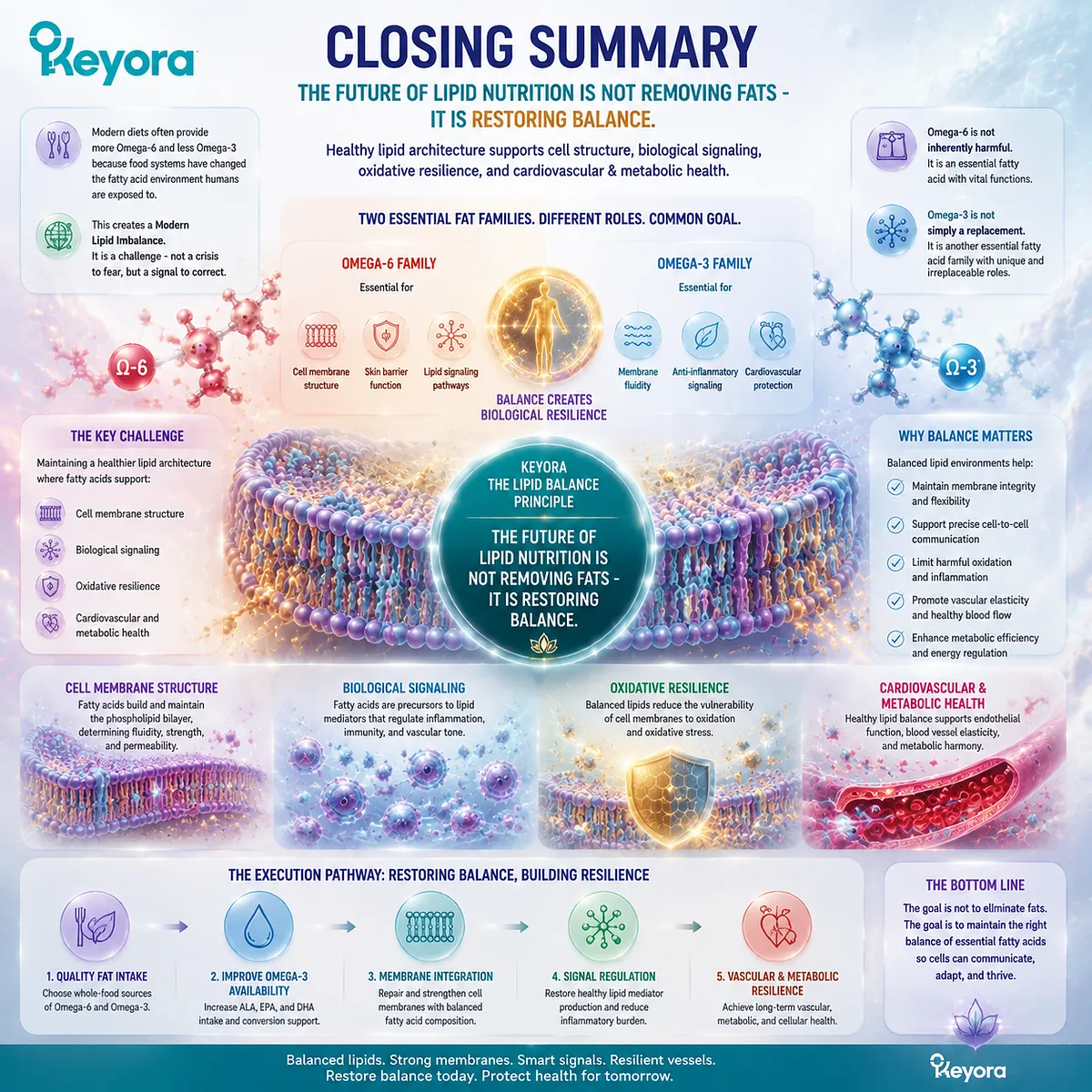
Modern diets often provide more Omega-6 and less Omega-3 because food systems have changed the fatty acid environment humans are exposed to.
Omega-6 is not inherently harmful.
Omega-3 is not simply a replacement.
Both are essential fatty acid families with important biological roles.
The key challenge is maintaining a healthier lipid architecture where fatty acids support:
-
cell membrane structure
-
biological signaling
-
oxidative resilience
-
cardiovascular and metabolic health
Keyora defines this principle as:
The future of lipid nutrition is not removing fats – it is restoring balance.
This article is for educational and informational purposes only. It does not provide medical advice, diagnosis, treatment, cure, prevention, disease outcome claims, hormone restoration claims, fertility outcome claims, or formula-specific clinical efficacy claims.