
Why Are My Eyes So Tired After Work?
Keyora Research Q&A Library
This is part of the Keyora Research Q&A Series, derived from Keyora Astaxanthin Research Journal Series.
Within the Keyora Astaxanthin Researcn framework, this Q&A translates complex astaxanthin biology into reader-friendly, evidence-bound answers, focusing on natural astaxanthin identity, molecular structure, antioxidant and redox mechanisms, membrane lipid interaction, mitochondrial resilience, inflammatory signaling pathways, human evidence interpretation, and the scientific principles behind responsible supplementation.
First published by Keyora Research Journal: www.keyorahealth.com
Medical & Scientific Review
This article is based on peer-reviewed scientific research and guidance from organizations including the American Academy of Ophthalmology (AAO), the American Optometric Association (AOA), and the National Eye Institute (NEI). It is intended for educational purposes only and should not replace personalized medical advice from a qualified eye care professional.
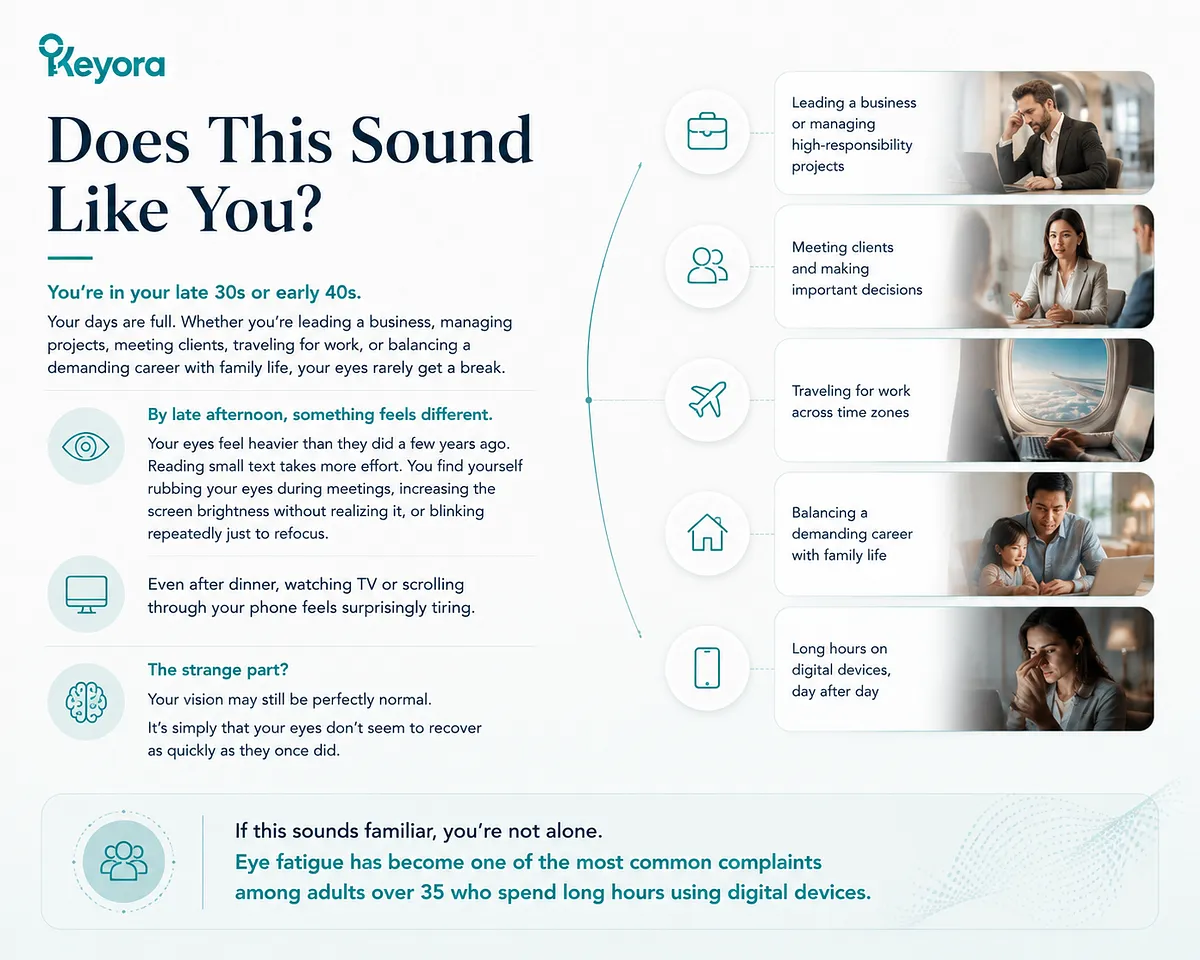
Does This Sound Like You?
You’re in your late 30s or early 40s.
Your days are full. Whether you’re leading a business, managing projects, meeting clients, traveling for work, or balancing a demanding career with family life, your eyes rarely get a break.
By late afternoon, something feels different.
Your eyes feel heavier than they did a few years ago. Reading small text takes more effort. You find yourself rubbing your eyes during meetings, increasing the screen brightness without realizing it, or blinking repeatedly just to refocus.
Even after dinner, watching TV or scrolling through your phone feels surprisingly tiring.
The strange part?
Your vision may still be perfectly normal.
It’s simply that your eyes don’t seem to recover as quickly as they once did.
If this sounds familiar, you’re not alone. Eye fatigue has become one of the most common complaints among adults over 35 who spend long hours using digital devices.
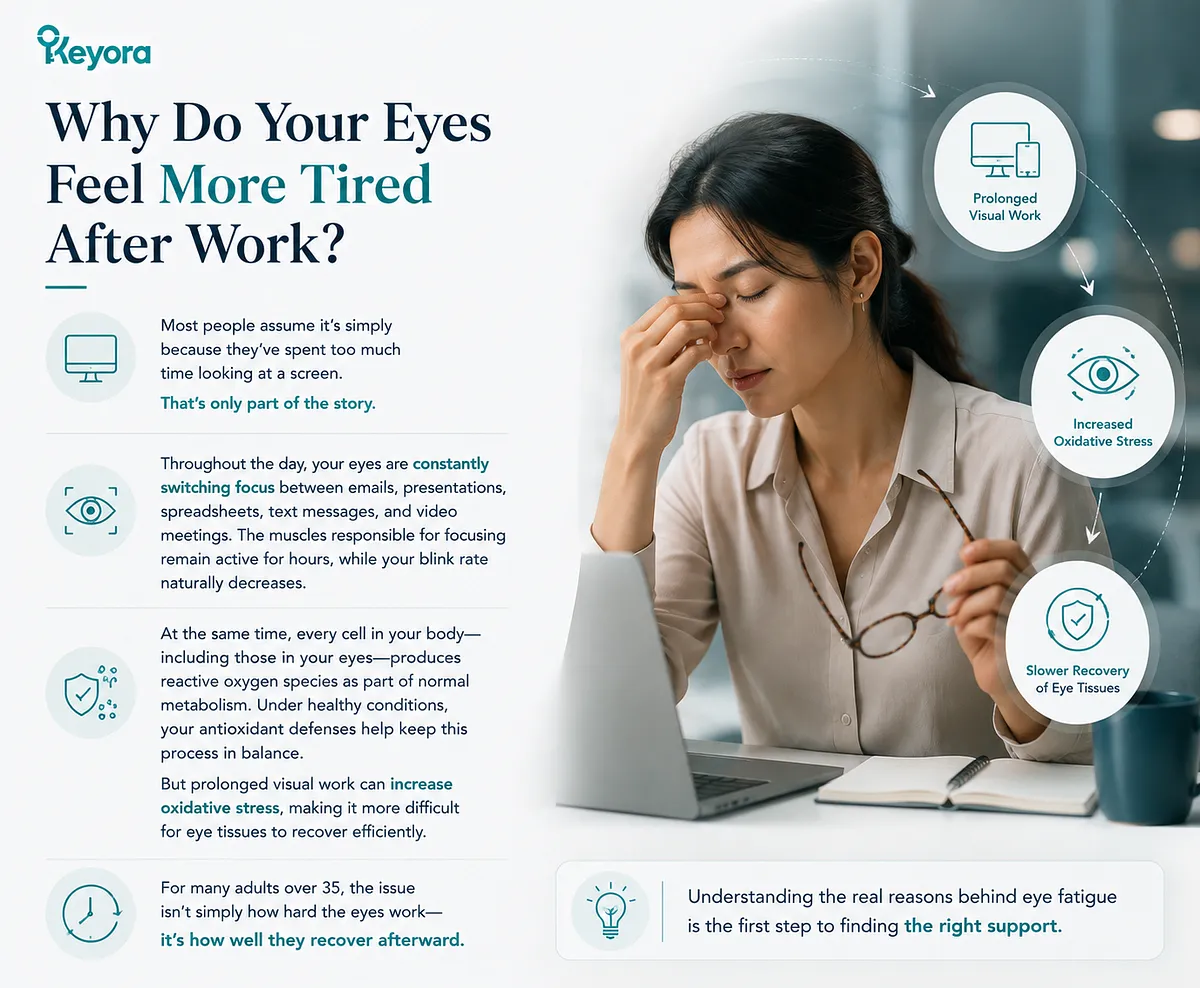
Why Do Your Eyes Feel More Tired After Work?
Most people assume it’s simply because they’ve spent too much time looking at a screen.
That’s only part of the story.
Throughout the day, your eyes are constantly switching focus between emails, presentations, spreadsheets, text messages, and video meetings. The muscles responsible for focusing remain active for hours, while your blink rate naturally decreases.
At the same time, every cell in your body—including those in your eyes—produces reactive oxygen species as part of normal metabolism. Under healthy conditions, your antioxidant defenses help keep this process in balance. But prolonged visual work can increase oxidative stress, making it more difficult for eye tissues to recover efficiently.
For many adults over 35, the issue isn’t simply how hard the eyes work—it’s how well they recover afterward.
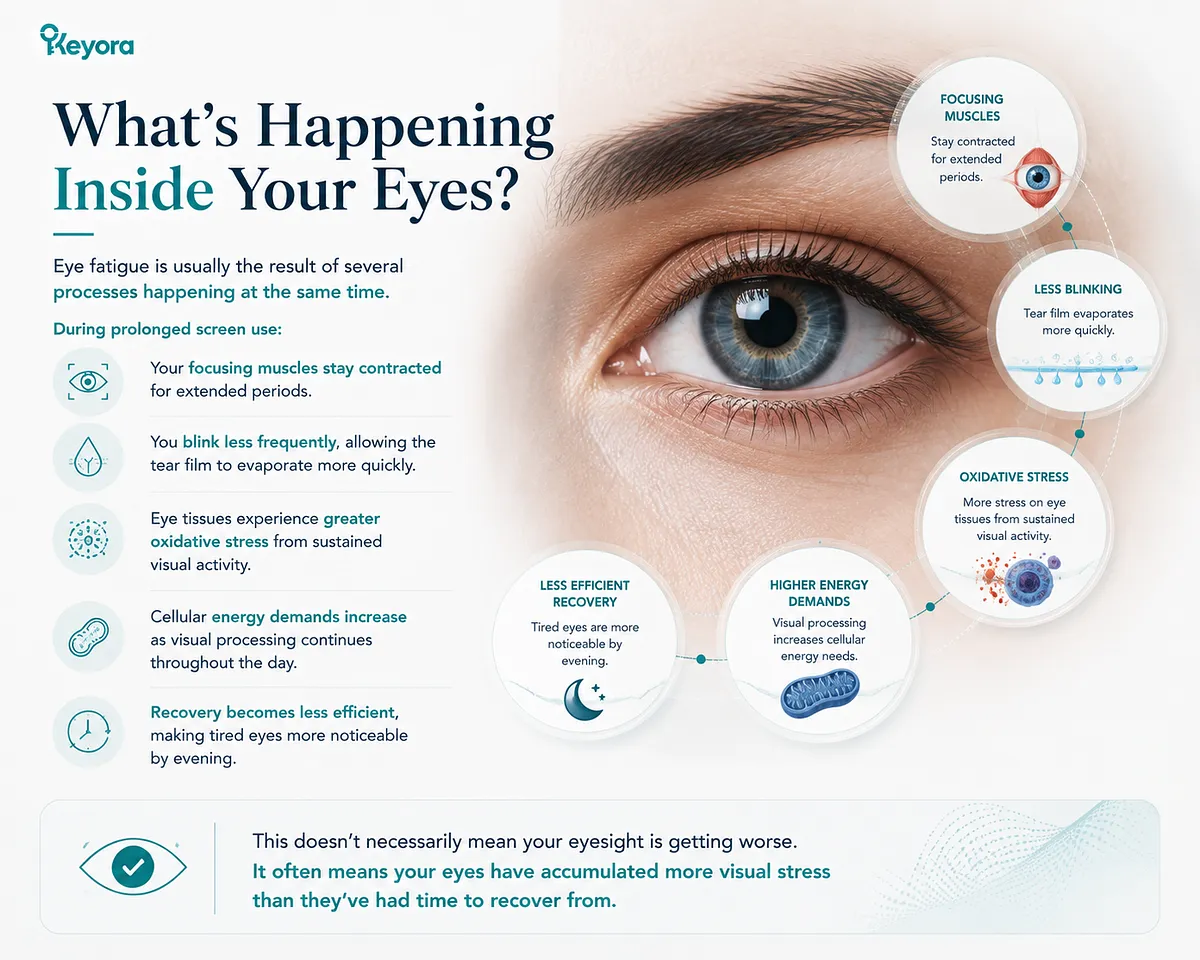
What’s Happening Inside Your Eyes?
Eye fatigue is usually the result of several processes happening at the same time.
During prolonged screen use:
· Your focusing muscles stay contracted for extended periods.
· You blink less frequently, allowing the tear film to evaporate more quickly.
· Eye tissues experience greater oxidative stress from sustained visual activity.
· Cellular energy demands increase as visual processing continues throughout the day.
· Recovery becomes less efficient, making tired eyes more noticeable by evening.
This doesn’t necessarily mean your eyesight is getting worse.
It often means your eyes have accumulated more visual stress than they’ve had time to recover from.
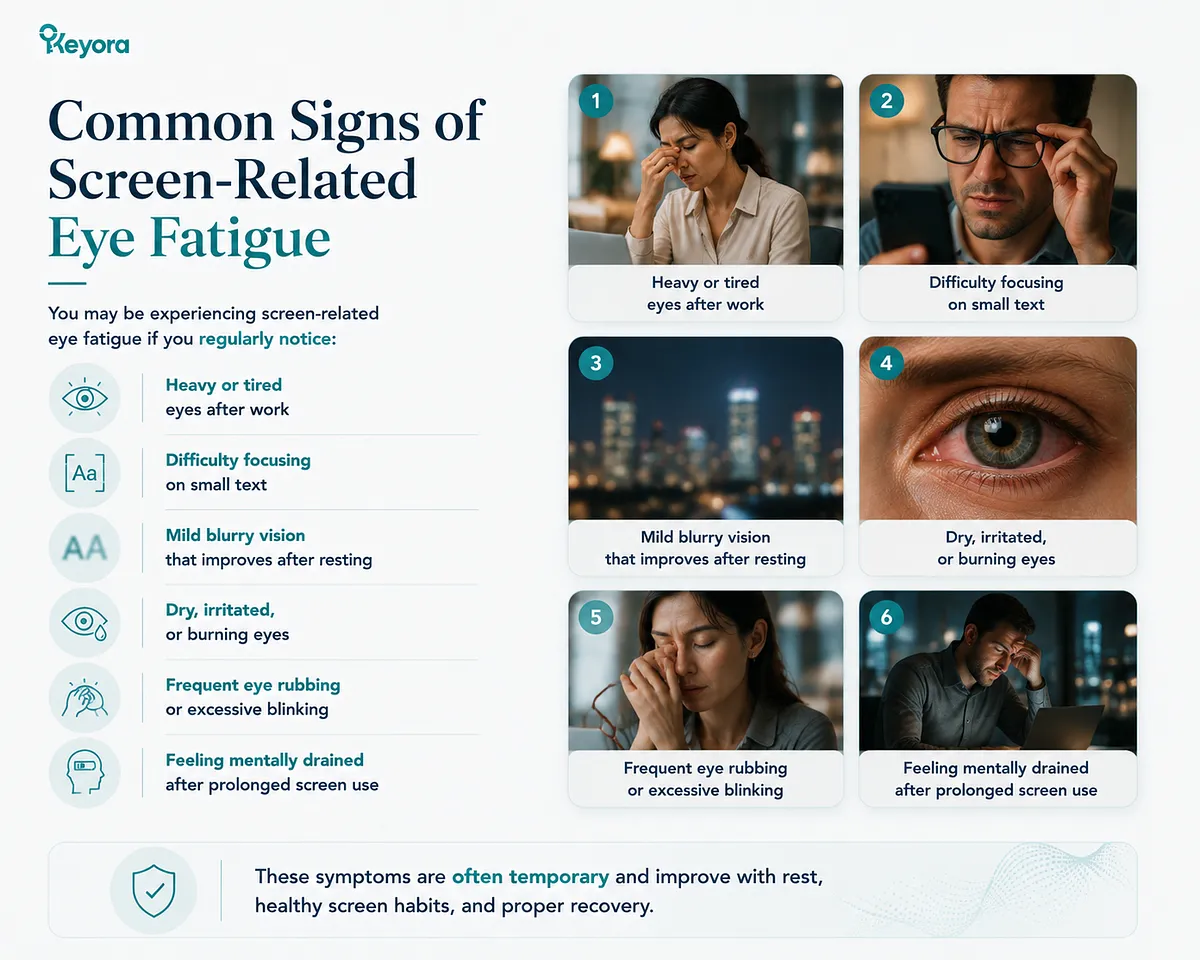
Common Signs of Screen-Related Eye Fatigue
You may be experiencing screen-related eye fatigue if you regularly notice:
· Heavy or tired eyes after work
· Difficulty focusing on small text
· Mild blurry vision that improves after resting
· Dry, irritated, or burning eyes
· Frequent eye rubbing or excessive blinking
· Feeling mentally drained after prolonged screen use
These symptoms are often temporary and improve with rest, healthy screen habits, and proper recovery.
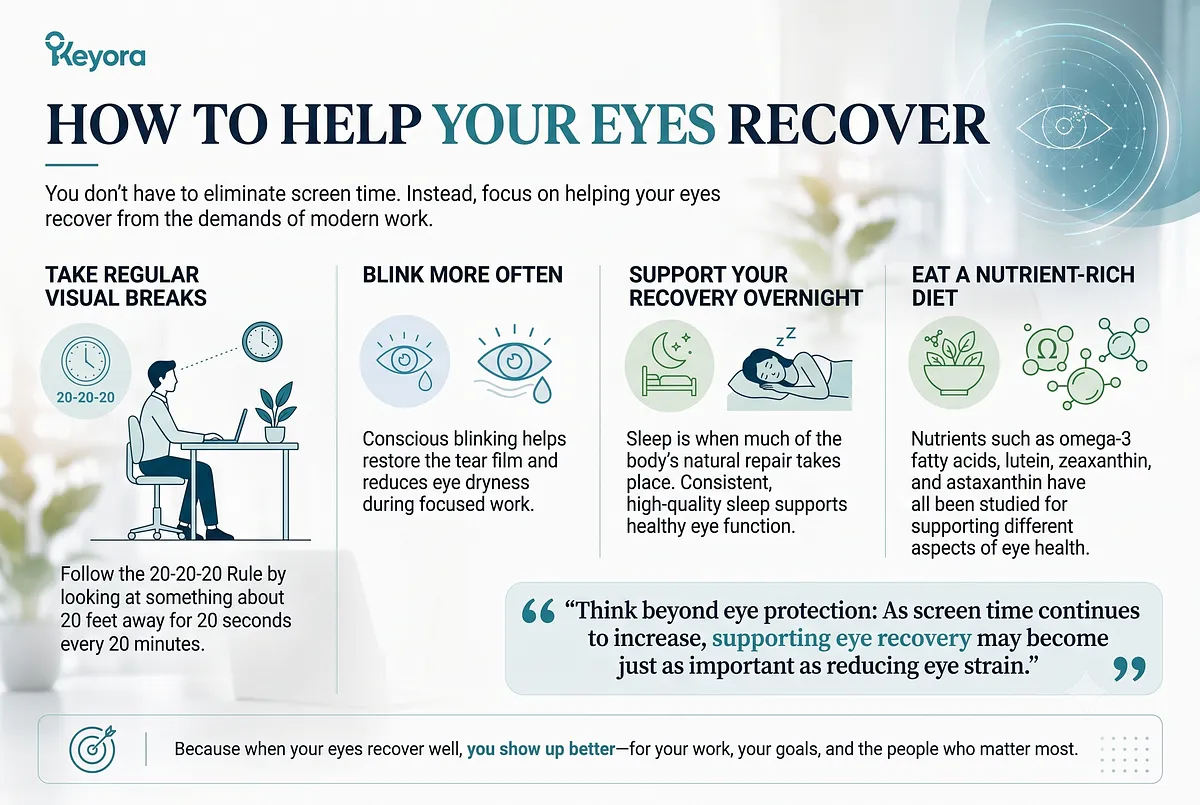
How to Help Your Eyes Recover
You don’t have to eliminate screen time. Instead, focus on helping your eyes recover from the demands of modern work.
Take regular visual breaks
Follow the 20-20-20 Rule by looking at something about 20 feet away for 20 seconds every 20 minutes.
Blink more often
Conscious blinking helps restore the tear film and reduces eye dryness during focused work.
Support your recovery overnight
Sleep is when much of the body’s natural repair takes place. Consistent, high-quality sleep supports healthy eye function.
Eat a nutrient-rich diet
Nutrients such as omega-3 fatty acids, lutein, zeaxanthin, and astaxanthin have all been studied for supporting different aspects of eye health.
Think beyond eye protection
As screen time continues to increase, supporting eye recovery may become just as important as reducing eye strain.
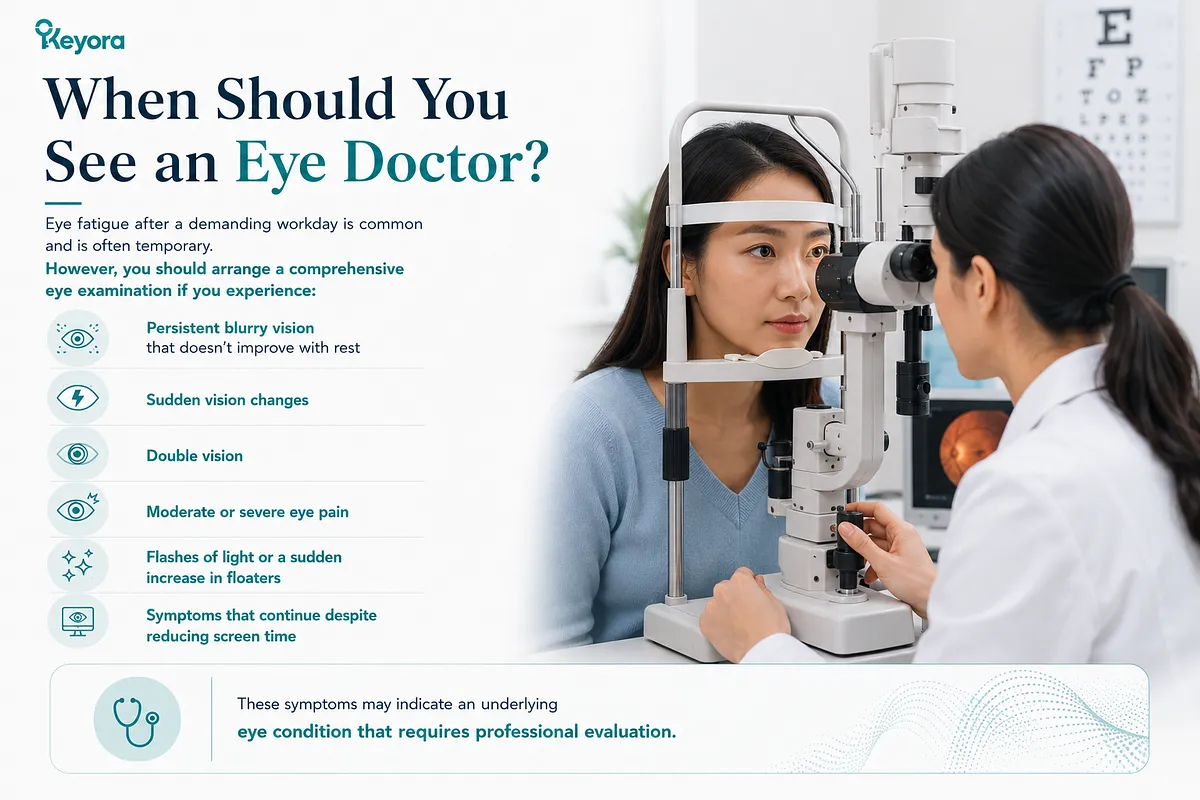
When Should You See an Eye Doctor?
Eye fatigue after a demanding workday is common and is often temporary.
However, you should arrange a comprehensive eye examination if you experience:
· Persistent blurry vision that doesn’t improve with rest
· Sudden vision changes
· Double vision
· Moderate or severe eye pain
· Flashes of light or a sudden increase in floaters
· Symptoms that continue despite reducing screen time
These symptoms may indicate an underlying eye condition that requires professional evaluation.
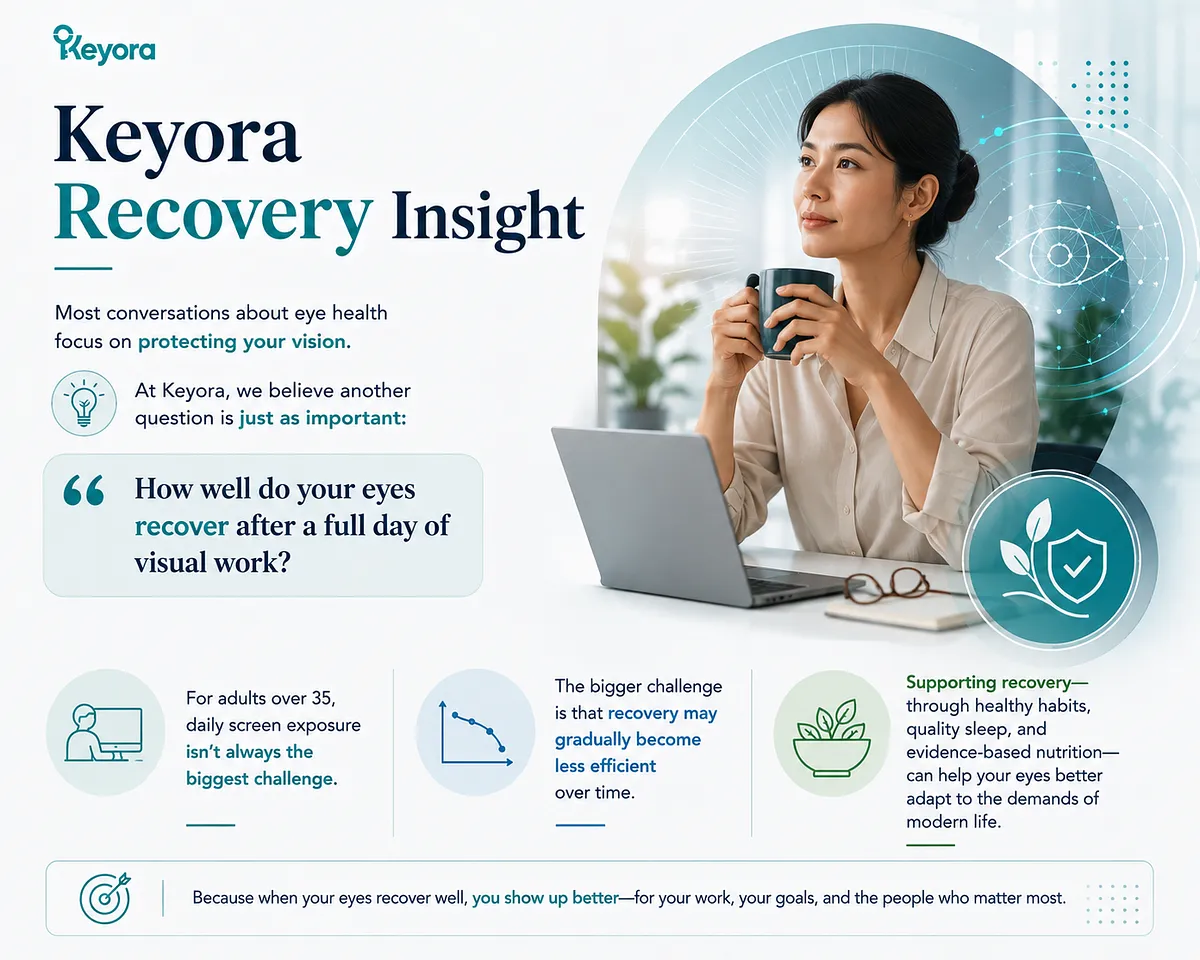
Keyora Recovery Insight
Most conversations about eye health focus on protecting your vision.
At Keyora, we believe another question is just as important:
How well do your eyes recover after a full day of visual work?
For adults over 35, daily screen exposure isn’t always the biggest challenge. The bigger challenge is that recovery may gradually become less efficient over time.
Supporting recovery—through healthy habits, quality sleep, and evidence-based nutrition—can help your eyes better adapt to the demands of modern life.
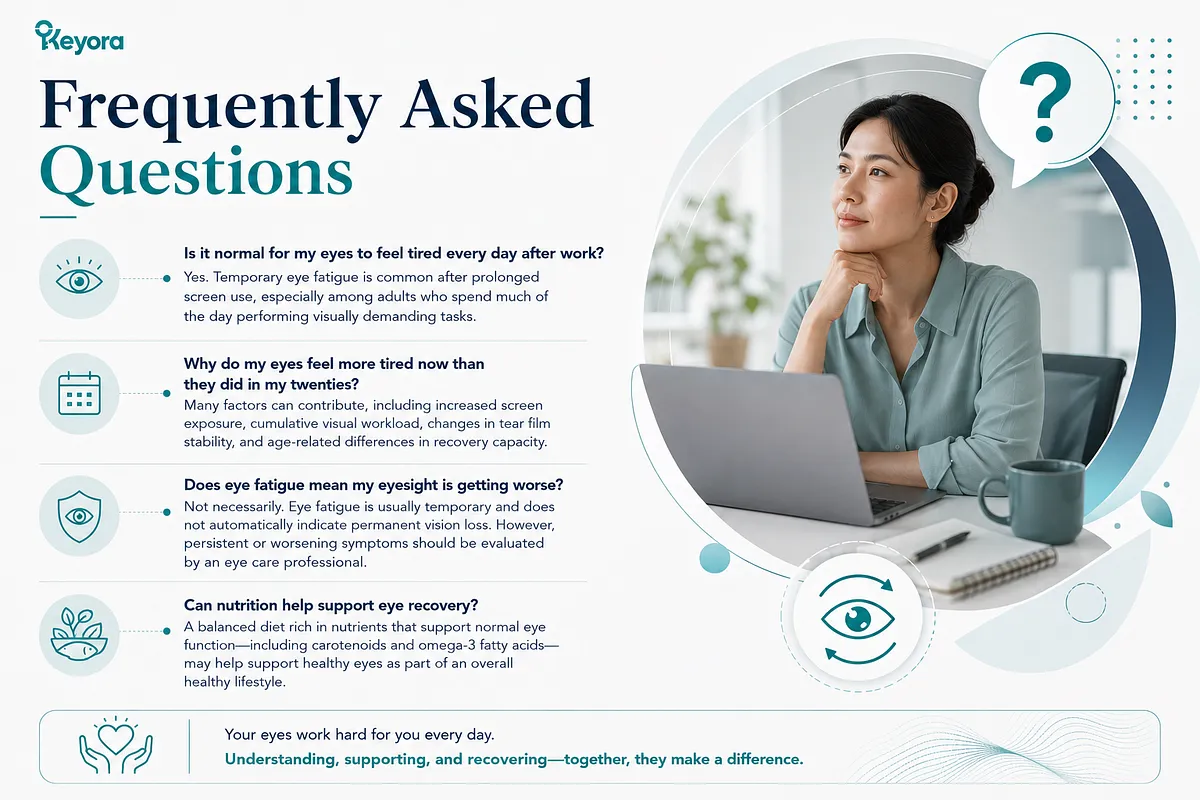
Frequently Asked Questions
Is it normal for my eyes to feel tired every day after work?
Yes. Temporary eye fatigue is common after prolonged screen use, especially among adults who spend much of the day performing visually demanding tasks.
Why do my eyes feel more tired now than they did in my twenties?
Many factors can contribute, including increased screen exposure, cumulative visual workload, changes in tear film stability, and age-related differences in recovery capacity.
Does eye fatigue mean my eyesight is getting worse?
Not necessarily. Eye fatigue is usually temporary and does not automatically indicate permanent vision loss. However, persistent or worsening symptoms should be evaluated by an eye care professional.
Can nutrition help support eye recovery?
A balanced diet rich in nutrients that support normal eye function—including carotenoids and omega-3 fatty acids—may help support healthy eyes as part of an overall healthy lifestyle.
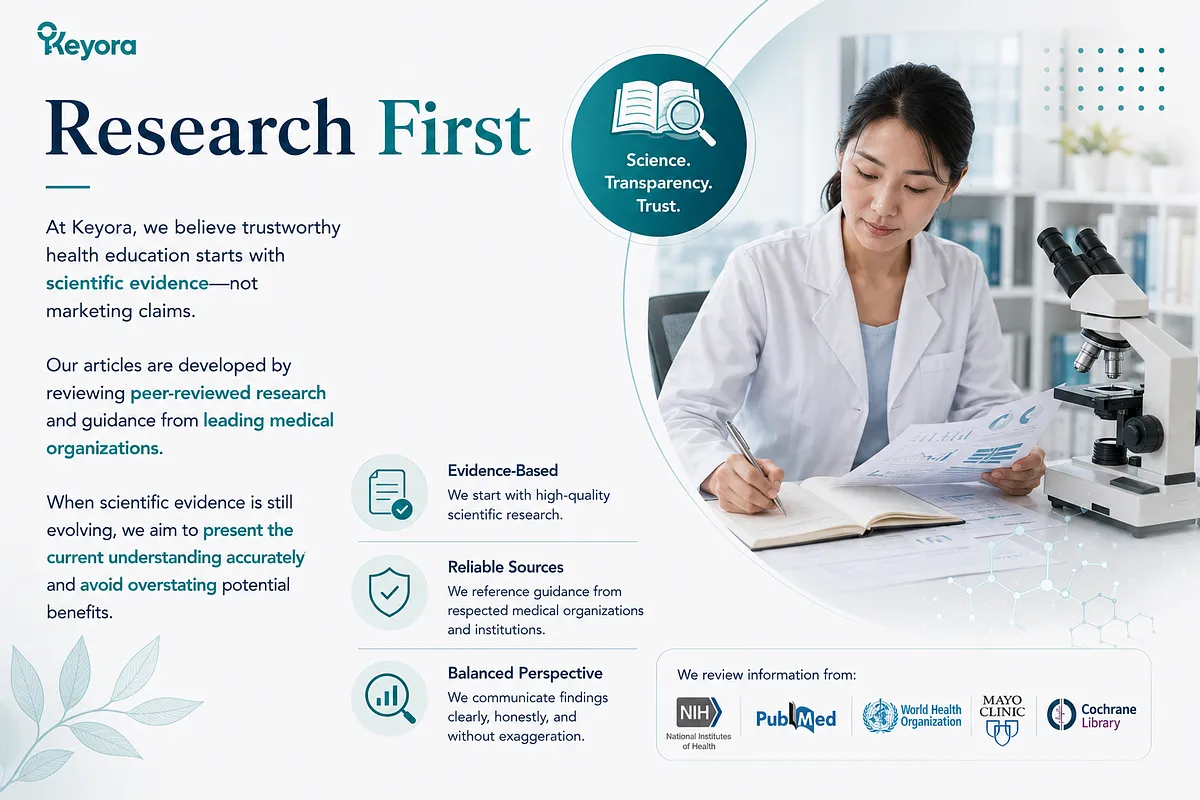
Research First
At Keyora, we believe trustworthy health education starts with scientific evidence—not marketing claims.
Our articles are developed by reviewing peer-reviewed research and guidance from leading medical organizations. When scientific evidence is still evolving, we aim to present the current understanding accurately and avoid overstating potential benefits.
Evidence Note
This article is intended for educational purposes only and should not be considered medical advice. Dietary supplements are not intended to diagnose, treat, cure, or prevent any disease. If you have persistent eye symptoms or concerns about your vision, consult a qualified eye care professional.
References
1. Sheppard AL, Wolffsohn JS. Digital Eye Strain: Prevalence, Measurement and Amelioration. BMJ Open Ophthalmology.
2. Rosenfield M. Computer Vision Syndrome: A Review. Ophthalmic and Physiological Optics.
3. American Academy of Ophthalmology. Computer Vision Syndrome and Digital Eye Strain.
4. American Optometric Association. Computer Vision Syndrome.
5. National Eye Institute. Keep Your Eyes Healthy.
6. Iwasaki T, et al. Effects of Astaxanthin on Eye Fatigue in Visual Display Terminal Workers.
7. Nagaki Y, et al. Clinical Evaluation of Astaxanthin on Visual Accommodation and Eye Fatigue.