
How Long Does It Take for Your Eyes to Recover From Screen Fatigue?
Keyora Research Q&A Library
This is part of the Keyora Research Q&A Series, derived from Keyora Astaxanthin Research Journal Series.
Within the Keyora Astaxanthin Researcn framework, this Q&A translates complex astaxanthin biology into reader-friendly, evidence-bound answers, focusing on natural astaxanthin identity, molecular structure, antioxidant and redox mechanisms, membrane lipid interaction, mitochondrial resilience, inflammatory signaling pathways, human evidence interpretation, and the scientific principles behind responsible supplementation.
First published by Keyora Research Journal: www.keyorahealth.com
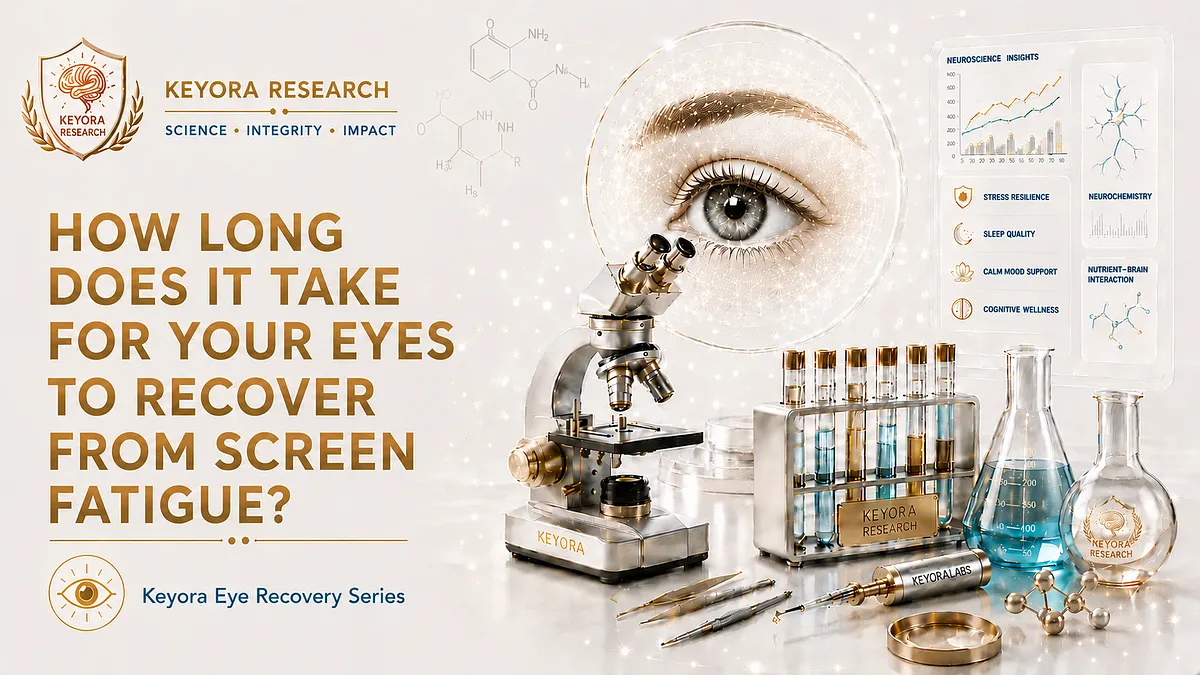
If your eyes feel tired after a long day in front of a screen, one of the first questions you might ask is:
“How long will this last?”
The answer isn’t the same for everyone.
For some people, their eyes feel better after a short break. Others wake up the next morning feeling refreshed. But if you’ve been spending 8–10 hours in front of a computer every day for months, recovery may take longer.
The good news is that screen fatigue is usually temporary, and with the right recovery habits, most people notice gradual improvement over time.
Quick Answer
For mild screen fatigue, your eyes may start to feel better after a few minutes away from the screen or after a full night’s sleep. If symptoms have been building up over weeks or months, recovery usually takes longer and depends on factors such as screen time, sleep quality, dry eye symptoms, and overall eye health. Consistent recovery habits—and, where appropriate, nutritional support—are often more effective than looking for an instant fix.
Why Doesn’t Eye Recovery Happen Instantly?
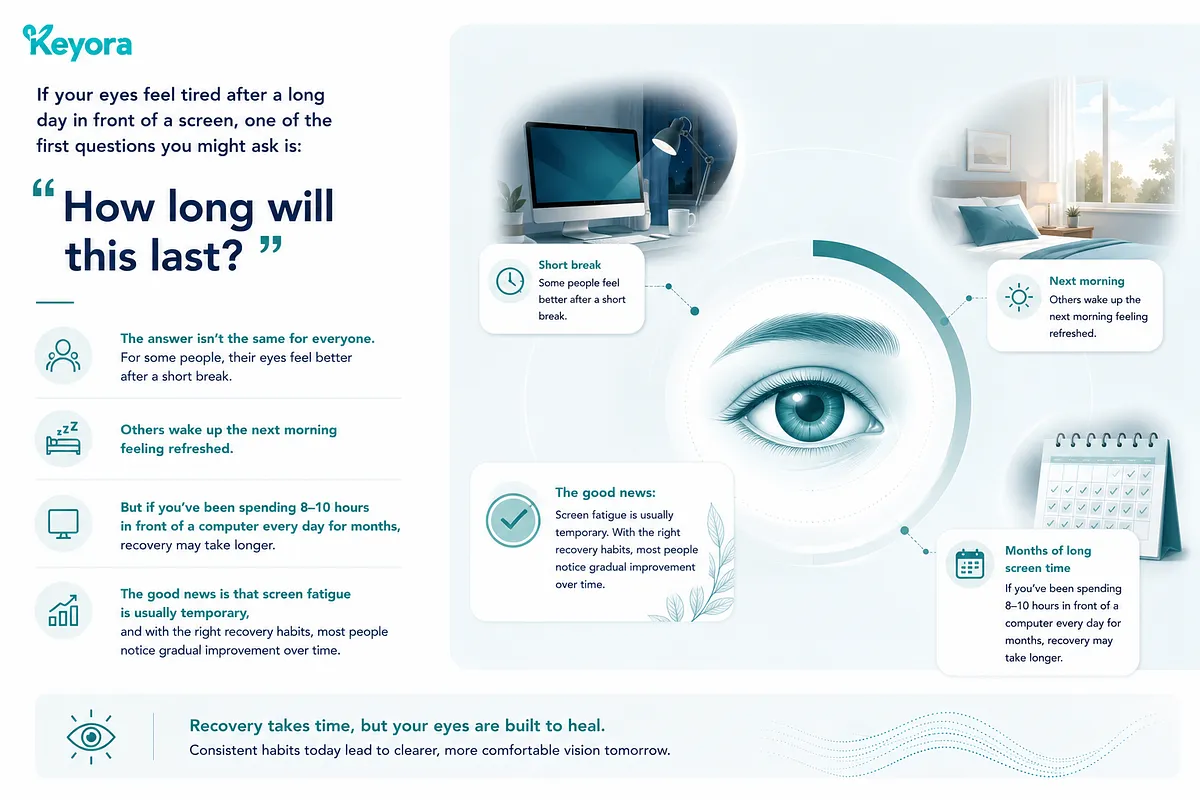
Unlike sore muscles after exercise, eye fatigue is easy to ignore.
Even after you close your laptop, your visual system doesn’t immediately return to its normal resting state.
Throughout the day, your eyes have been:
· Maintaining focus at the same distance.
· Blinking less than normal.
· Processing thousands of visual signals every minute.
· Working alongside a mentally fatigued brain.
Recovery begins when these demands are reduced—but your eyes still need time to restore normal function.
That’s why simply stopping work doesn’t always make your eyes feel better right away.
What Affects How Quickly Your Eyes Recover?
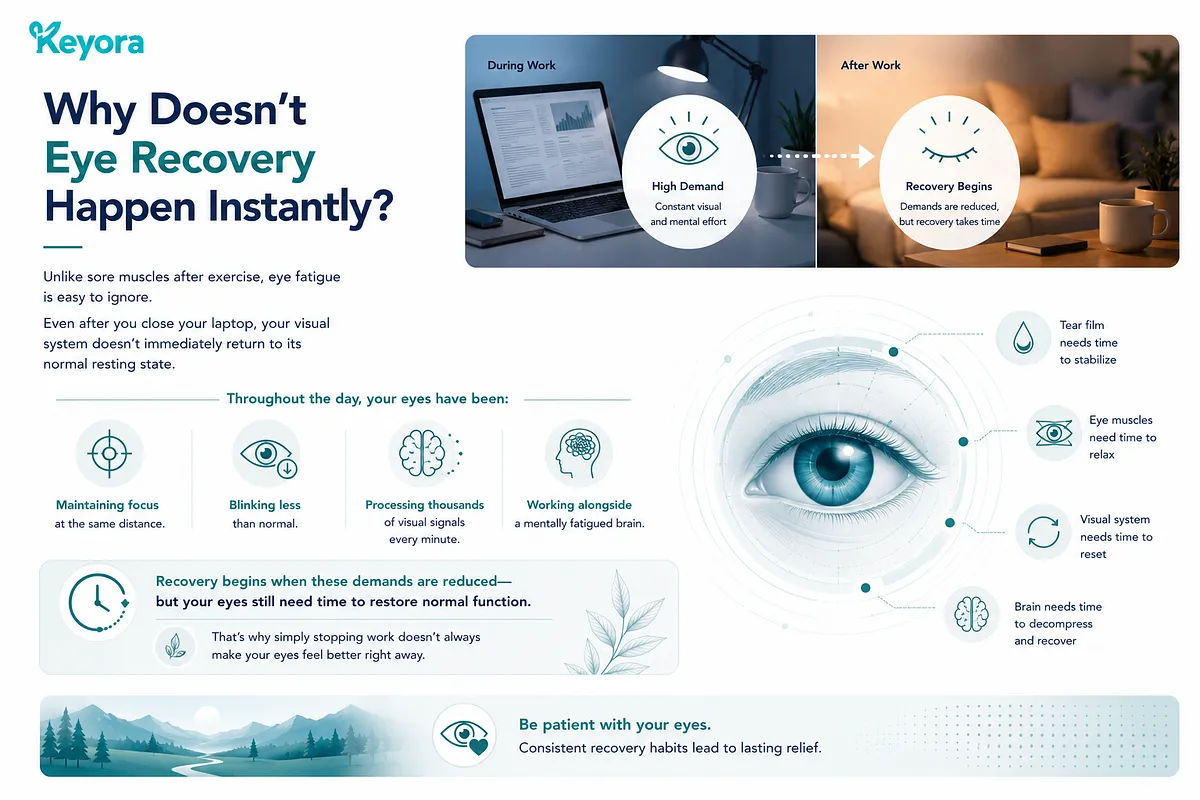
Everyone recovers differently, but several factors consistently influence recovery speed.
1. How Long You Spend on Screens
The longer your uninterrupted screen time, the more recovery your eyes may need.
Working for eight hours with regular breaks is very different from working for eight hours without looking away from the monitor.
2. Sleep Quality
Sleep is one of the most important recovery tools for your eyes.
During sleep, your body restores many normal physiological processes, and many people notice that eye discomfort improves significantly after a good night’s rest.
Poor sleep, on the other hand, is often associated with greater feelings of eye fatigue and dryness.
3. Your Recovery Habits
Small daily habits can make a surprisingly large difference.
People who regularly:
· Follow the 20-20-20 Rule
· Blink consciously during computer work
· Stay hydrated
· Spend time outdoors
often experience fewer symptoms of screen fatigue than those who work continuously without breaks.
4. Nutrition
Recovery isn’t only about what you do—it’s also about what your body has available to support normal eye function.
Researchers have studied several nutrients in relation to digital eye strain, including astaxanthin, lutein, zeaxanthin, and omega-3 fatty acids.
Among these, astaxanthin has received growing scientific attention because of its antioxidant properties and its ability to accumulate in ocular tissues. Clinical studies suggest it may help improve subjective symptoms of eye fatigue in some people who spend long hours using digital screens.
Nutrition isn’t an overnight solution, but it may support your eyes’ long-term recovery when combined with healthy screen habits.
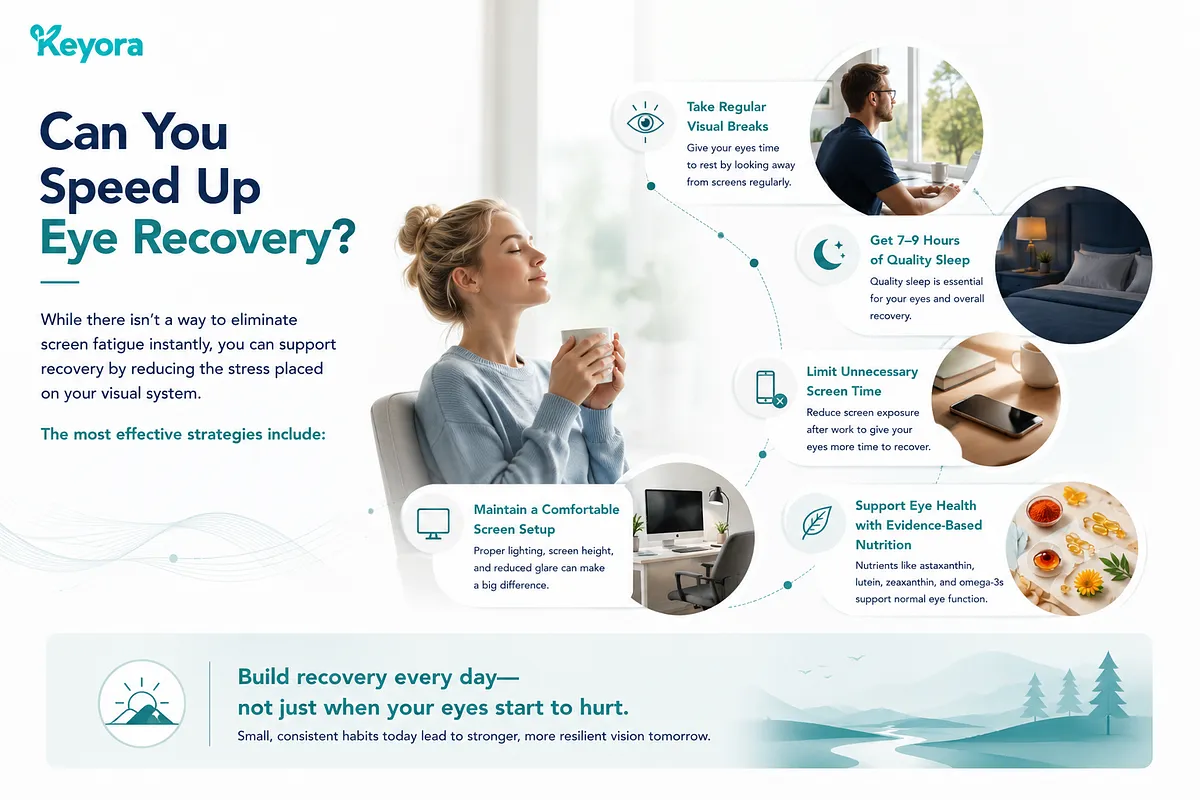
Can You Speed Up Eye Recovery?
While there isn’t a way to eliminate screen fatigue instantly, you can support recovery by reducing the stress placed on your visual system.
The most effective strategies include:
· Taking regular visual breaks throughout the day.
· Getting 7–9 hours of quality sleep.
· Limiting unnecessary screen time after work.
· Maintaining a comfortable screen setup with appropriate lighting.
· Supporting normal eye function through evidence-based nutrition.
Think of recovery as something you build every day—not something you fix only when your eyes start to hurt.
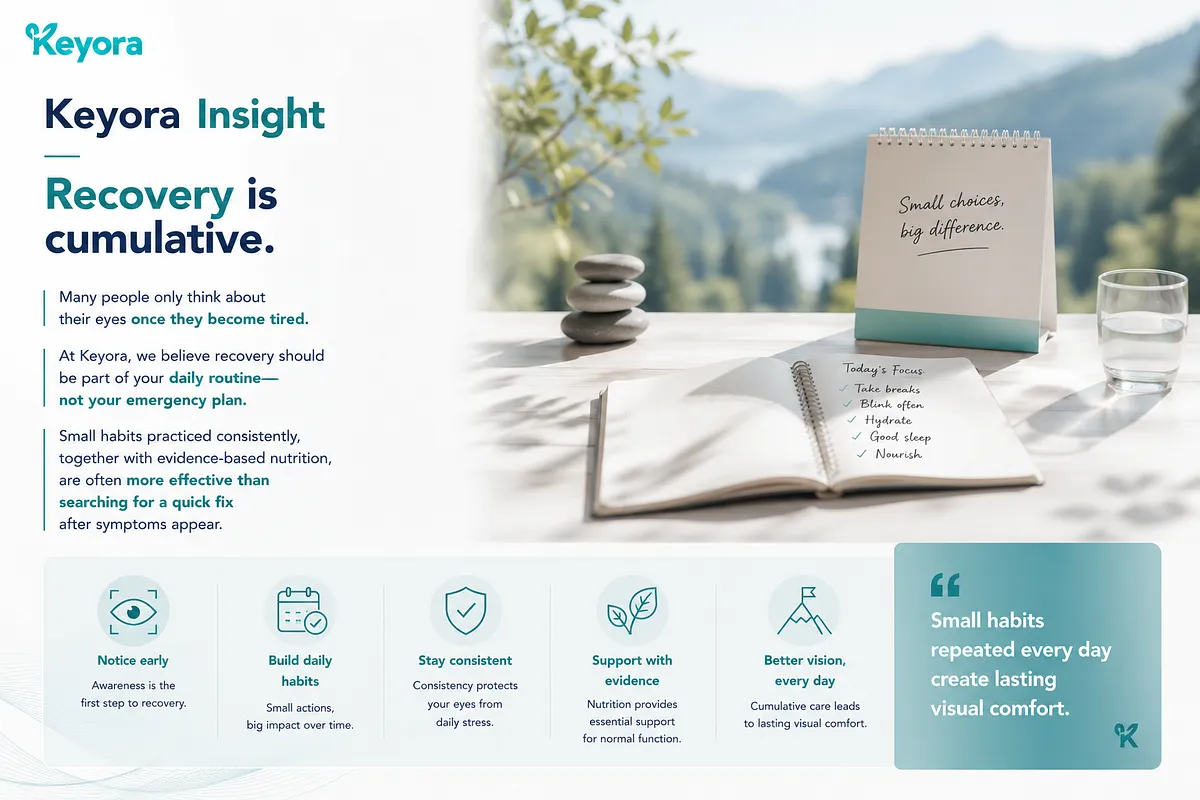
Keyora Insight
Recovery is cumulative.
Many people only think about their eyes once they become tired.
At Keyora, we believe recovery should be part of your daily routine—not your emergency plan.
Small habits practiced consistently, together with evidence-based nutrition, are often more effective than searching for a quick fix after symptoms appear.
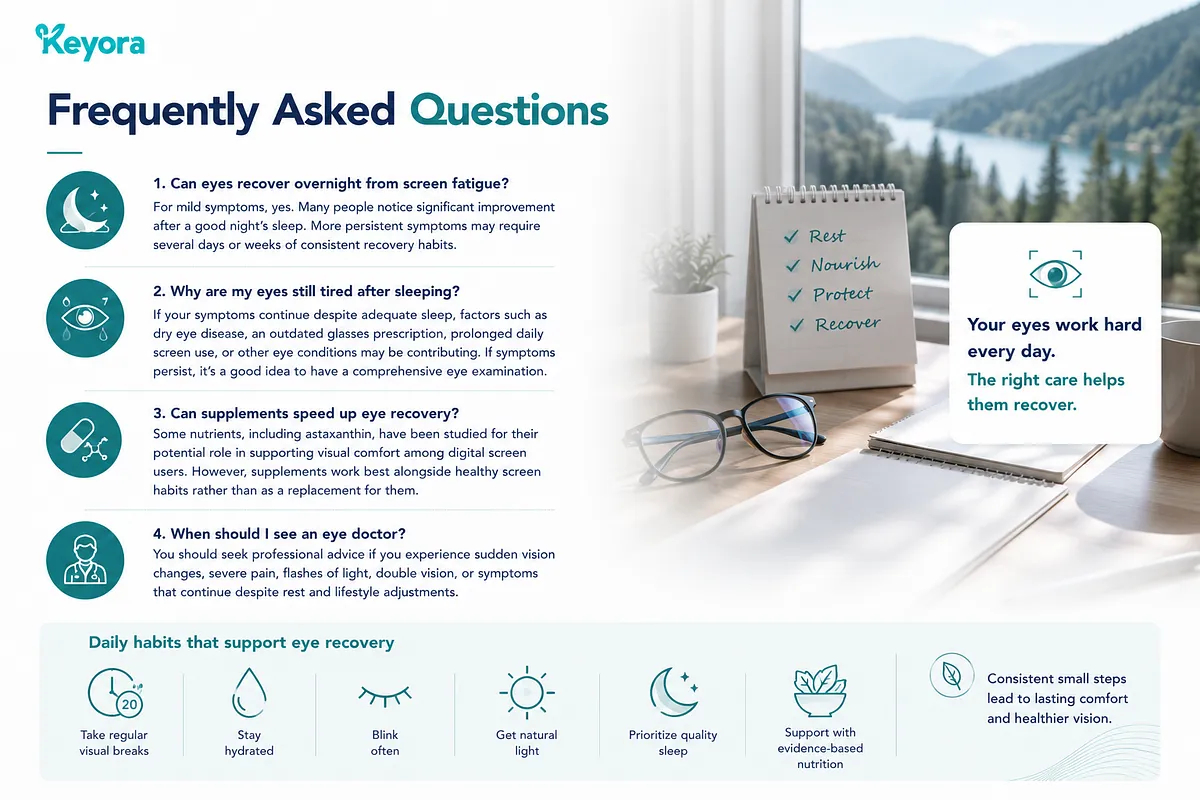
Frequently Asked Questions
Can eyes recover overnight from screen fatigue?
For mild symptoms, yes. Many people notice significant improvement after a good night’s sleep. More persistent symptoms may require several days or weeks of consistent recovery habits.
Why are my eyes still tired after sleeping?
If your symptoms continue despite adequate sleep, factors such as dry eye disease, an outdated glasses prescription, prolonged daily screen use, or other eye conditions may be contributing. If symptoms persist, it’s a good idea to have a comprehensive eye examination.
Can supplements speed up eye recovery?
Some nutrients, including astaxanthin, have been studied for their potential role in supporting visual comfort among digital screen users. However, supplements work best alongside healthy screen habits rather than as a replacement for them.
When should I see an eye doctor?
You should seek professional advice if you experience sudden vision changes, severe pain, flashes of light, double vision, or symptoms that continue despite rest and lifestyle adjustments.
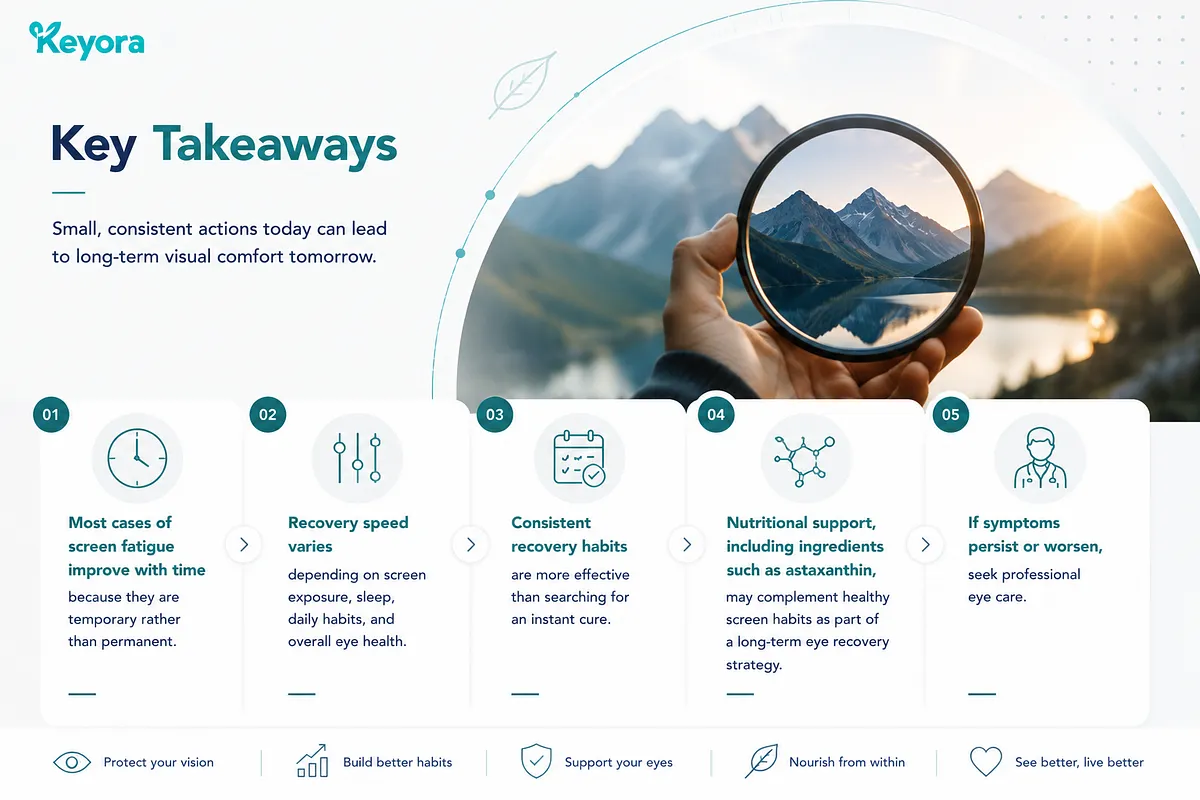
Key Takeaways
· Most cases of screen fatigue improve with time because they are temporary rather than permanent.
· Recovery speed varies depending on screen exposure, sleep, daily habits, and overall eye health.
· Consistent recovery habits are more effective than searching for an instant cure.
· Nutritional support, including ingredients such as astaxanthin, may complement healthy screen habits as part of a long-term eye recovery strategy.
· If symptoms persist or worsen, seek professional eye care.
References
· Rosenfield M. Computer Vision Syndrome (Digital Eye Strain): A Review.
· Sheppard AL, Wolffsohn JS. Digital Eye Strain: Prevalence, Measurement and Amelioration.
· American Optometric Association. Computer Vision Syndrome.
· Iwasaki T, et al. Effects of Astaxanthin on Eye Fatigue in Visual Display Terminal Workers.